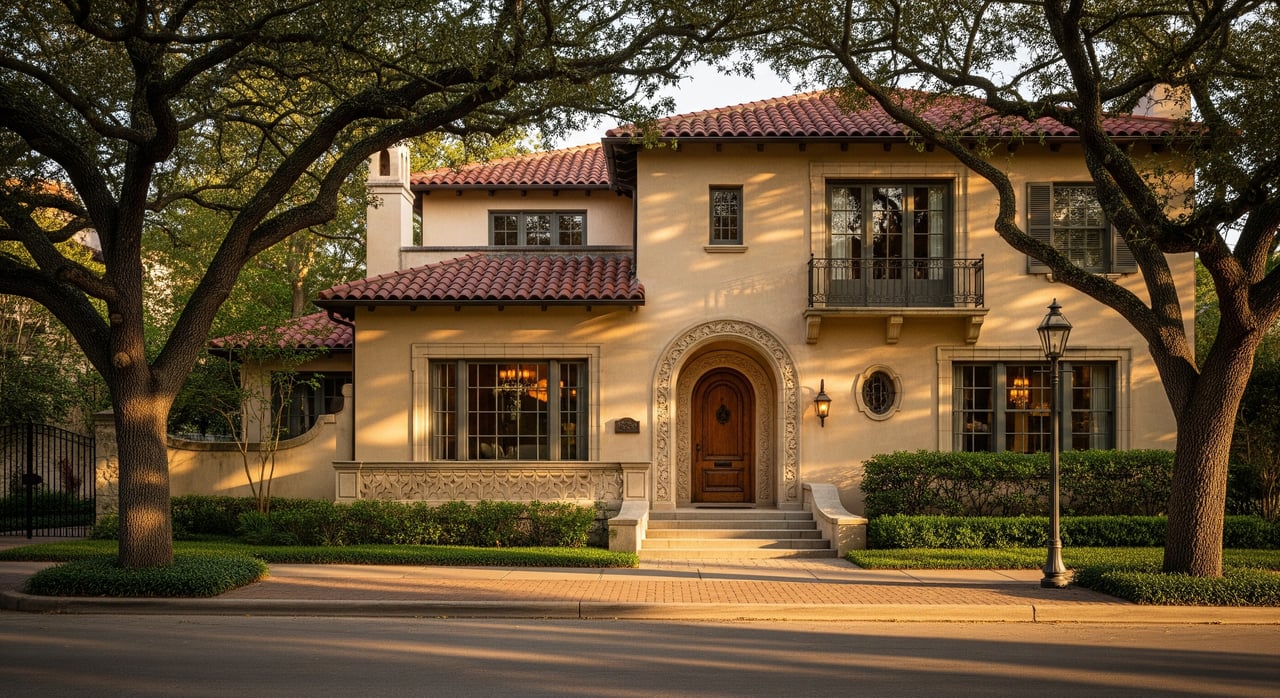
Planning to swap windows, add a porch, or install solar on your Monte Vista home? If you live in 78212, the historic overlay means exterior changes in public view get a closer look. You want to preserve character and protect value while keeping your project on schedule. This guide explains what triggers review, how the process works, realistic timelines, and smart planning that keeps your goals on track. Let’s dive in.
What the historic overlay does
Monte Vista is protected by a local historic overlay administered by the City’s Historic Preservation Office within Development Services. Local rules focus on exterior changes visible from the street, with the goal of preserving the neighborhood’s architectural character, rooflines, porches, materials, and setbacks. The Historic and Design Review Commission, often called HDRC, hears projects that exceed staff authority or need discretion. The City’s Unified Development Code and preservation rules, along with any Monte Vista-specific guidance, set the standards you must follow.
A quick note on listings: a National Register designation does not impose the City’s local permit controls. The local overlay is what triggers City review.
When you need a COA
Most projects that change what you can see from the public right-of-way require coordination with the City. Depending on scope and visibility, you may receive staff approval or you may need an HDRC hearing. The approval document is a Certificate of Appropriateness (COA).
Exempt maintenance
Some work is commonly exempt from a COA:
- In-kind repairs and maintenance with the same materials and details
- Interior-only work that does not change the exterior visible from the street
- Mechanical replacements that are concealed from view
Even for routine repairs, document existing conditions and confirm with staff that your plan qualifies as in-kind maintenance.
Administrative approvals
Staff can approve minor exterior changes that meet objective standards. Typical examples include:
- Certain window or door replacements that match approved profiles and materials
- Small rear decks or accessory projects not visible from the street
- Minor hardscape changes and compliant sign updates
Administrative reviews are faster as long as your submittal is complete and conforms to published criteria.
HDRC hearings
Bigger or more visible changes usually require a public hearing with HDRC. Typical examples include:
- New construction and additions that alter massing, rooflines, or front setbacks
- Demolition or removal of historic fabric, up to and including an entire structure
- Major changes to primary facades, such as porch enclosures, altering window openings, or switching materials visible from the street
- Front-yard site features, including visible fences, driveways, garages, and retaining walls
- Rooftop changes and mechanicals visible from the street, including certain solar panel placements
- New accessory structures and large additions when visible
Special cases to check
These items often come up and deserve an early conversation with staff:
- Paint color. Treatment varies by district and building prominence; confirm current policy for Monte Vista.
- Solar, ramps, and energy upgrades. Generally feasible, but placement and visibility matter.
- Landscaping. Routine planting is often fine. Front-yard paving, retaining walls, and large tree removal may be regulated.
The key trigger throughout is visibility from the public right-of-way coupled with the degree of change to historic features.
How the review process works
Timelines vary by complexity and City scheduling. Starting early and submitting a complete package are your best tools for staying on schedule.
Pre-application
Schedule a conversation with Historic Preservation staff. Bring clear photos, a simple scope, and any sketches. Pre-application meetings are often arranged within 1 to 2 weeks and can confirm if a COA is required and what to prepare.
Application and staff review
For administrative cases, submit the COA application with photos, plans, material samples, and a statement of work. Decisions commonly take 2 to 6 weeks, depending on submittal completeness and workload. Prompt responses to staff questions help shorten the cycle.
HDRC hearing
HDRC meets on a regular schedule with submittal deadlines several weeks before the hearing. From submission to hearing, plan on roughly 4 to 10+ weeks to allow for staff review and public notice. After approval, staff issues the signed COA so you can proceed to building permits.
Building permits and inspections
Most building permits are issued after your COA is finalized and any plan reviews are complete. Permit review times vary with project complexity. Typical ranges are 2 to 8 weeks, longer if you need revisions or additional documentation.
Demolition requests
Many cities include demolition review or delay periods to explore alternatives. Expect an added wait, commonly 30 to 90 days. Confirm the current City policy before you set a start date.
Typical timelines at a glance
- Small repairs or in-kind replacements: 2 to 6 weeks
- Moderate alterations, such as windows, porch work, or rear additions: 6 to 12 weeks
- Major projects, including new construction, front additions, or demolition: 3 to 6 months or more from pre-application to permits in hand
Planning checklist for smooth approvals
- Contact the City’s Historic Preservation Office early and request a pre-application discussion.
- Photograph each elevation and notable details like windows, porches, and siding.
- Prepare scaled drawings: site plan, elevations, and material specifications.
- Choose contractors familiar with historic homes and HDRC expectations.
- Budget for longer lead times and possible custom or in-kind materials.
- Expect conditions of approval, such as material requirements or equipment screening.
Design moves that speed approval
- Repair original materials whenever feasible instead of replacing them.
- If replacement is necessary, match size, profile, material, and detailing as closely as possible.
- Place new work where it is less visible from the street, such as rear additions or rear roof slopes.
- Favor reversible solutions so future owners can restore original features if desired.
Buying in Monte Vista? Smart moves before you close
- Ask the seller for past COAs, permit records, and any conditions of approval.
- Include a COA or permit contingency in the contract for exterior work you plan to pursue.
- Bring in a contractor experienced with historic homes for a site visit and budget estimate.
These steps protect your timeline and clarify the true cost of improvements before you commit.
Compliance and value
Well-executed preservation work supports curb appeal and long-term value in a character neighborhood like Monte Vista. Approvals that maintain original materials, proportions, and details help your home compete at the top of the market. Buyers often pay a premium for authenticity, quality, and documented stewardship.
Skipping the process is risky. Unpermitted exterior work can trigger stop-work orders, fines, and orders to restore the property, which can be costly and damage resale prospects. Lenders and title companies may also require proof of compliance when you refinance or sell.
Incentives and cost realities
- Federal historic rehabilitation tax credits generally apply to income-producing properties that meet specific standards, not to most owner-occupied single-family homes.
- Local incentives, such as abatements, grants, or facade programs, vary by jurisdiction and project type. Check current City and County programs.
- Preservation-quality materials and skilled trades can cost more upfront. Over time, the right work can protect value and marketability.
Next steps and a practical timeline
- Define your scope and take clear photos of existing conditions.
- Schedule a pre-application meeting with Historic Preservation staff to confirm if a COA is required.
- Prepare a complete COA package with drawings, materials, and a concise scope.
- Build a realistic schedule: 2 to 6 weeks for small items, 6 to 12 weeks for moderate work, and 3 to 6 months or more for major projects.
- Keep communication open. Respond quickly to staff feedback and be ready to adjust materials or placement to reduce visibility from the street.
If you are weighing improvements as part of a purchase or a sale, a valuation-led plan can help you sequence work for the best return. For guidance tailored to your property and goals, connect with Cory Bakke for valuation insights and a strategy that aligns preservation, timing, and market outcomes.
FAQs
Do interior renovations in Monte Vista require historic review?
- Generally no, unless the work affects the exterior visible from the public right-of-way; confirm with the City for any exceptions.
What exterior changes typically trigger a Certificate of Appropriateness?
- Any visible changes to street-facing features, major material substitutions, additions, demolitions, front-yard site work, or rooftop equipment may require a COA.
How long does HDRC review usually take from submission to decision?
- Plan for roughly 4 to 10+ weeks from submission to hearing, plus time afterward for the COA issuance and building permits.
Can I replace windows and doors in a historic home?
- Often yes if replacements match approved profiles and materials; otherwise expect administrative or HDRC review.
Are solar panels allowed in the Monte Vista historic district?
- Solar is commonly feasible with attention to placement and visibility; panels visible from the street may require review and specific siting.
What happens if work starts without a COA in Monte Vista?
- You risk stop-work orders, fines, and potential orders to restore prior conditions; contact staff immediately to seek after-the-fact review.
Should I add a COA contingency to my purchase contract in 78212?
- Yes, include language allowing you to withdraw or renegotiate if needed exterior changes are not approved within a set timeframe.