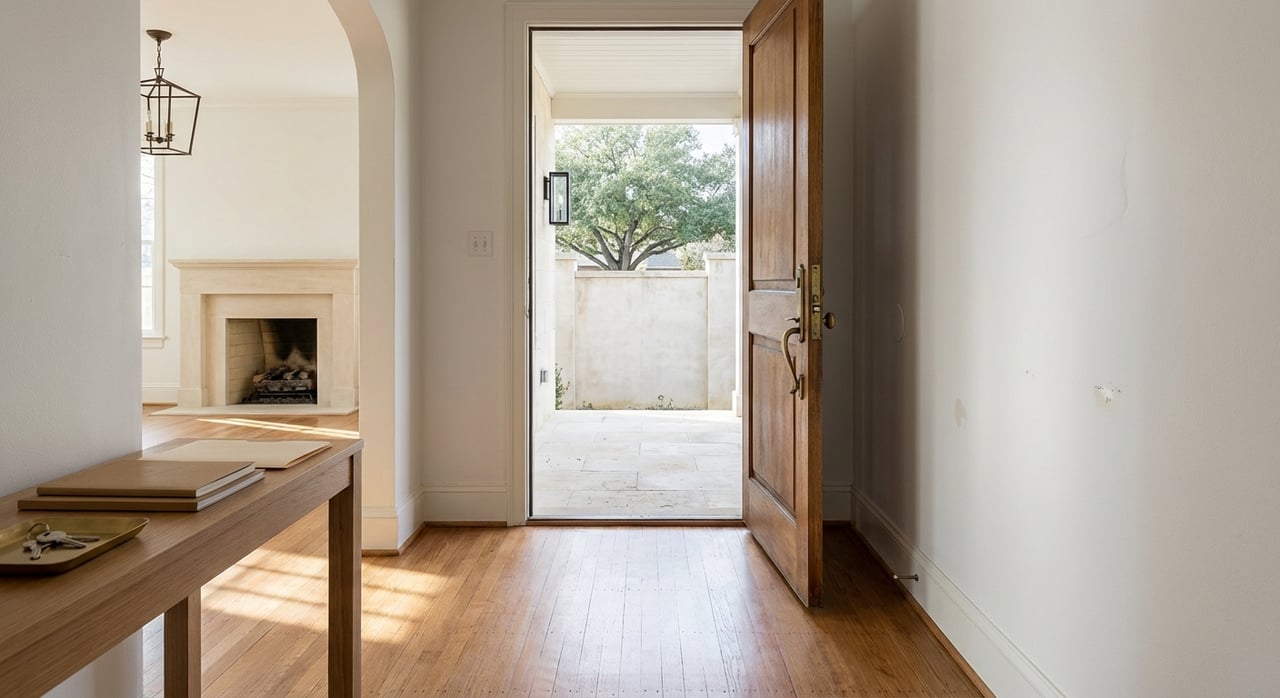
Thinking about listing a legacy home in Alamo Heights but not sure where to start? You want to honor your home’s character, meet today’s buyer expectations, and avoid last-minute surprises during negotiations. In this guide, you’ll learn what to fix first, which local rules matter, how to stage without losing historic charm, and a simple 8–10 week plan tailored to 78209. Let’s dive in.
What today’s 78209 buyers expect
Buyers in Alamo Heights value homes that feel move-in ready while still showcasing original character. They often prioritize reliable systems, updated kitchens and primary baths that fit the home’s style, mature landscaping, and documentation that shows responsible stewardship.
- Safety and systems in good order: roof, HVAC, electrical panel, drainage, and plumbing.
- Tasteful kitchen and bath refreshes that do not clash with period details.
- Preserved features like woodwork, built-ins, and original floors.
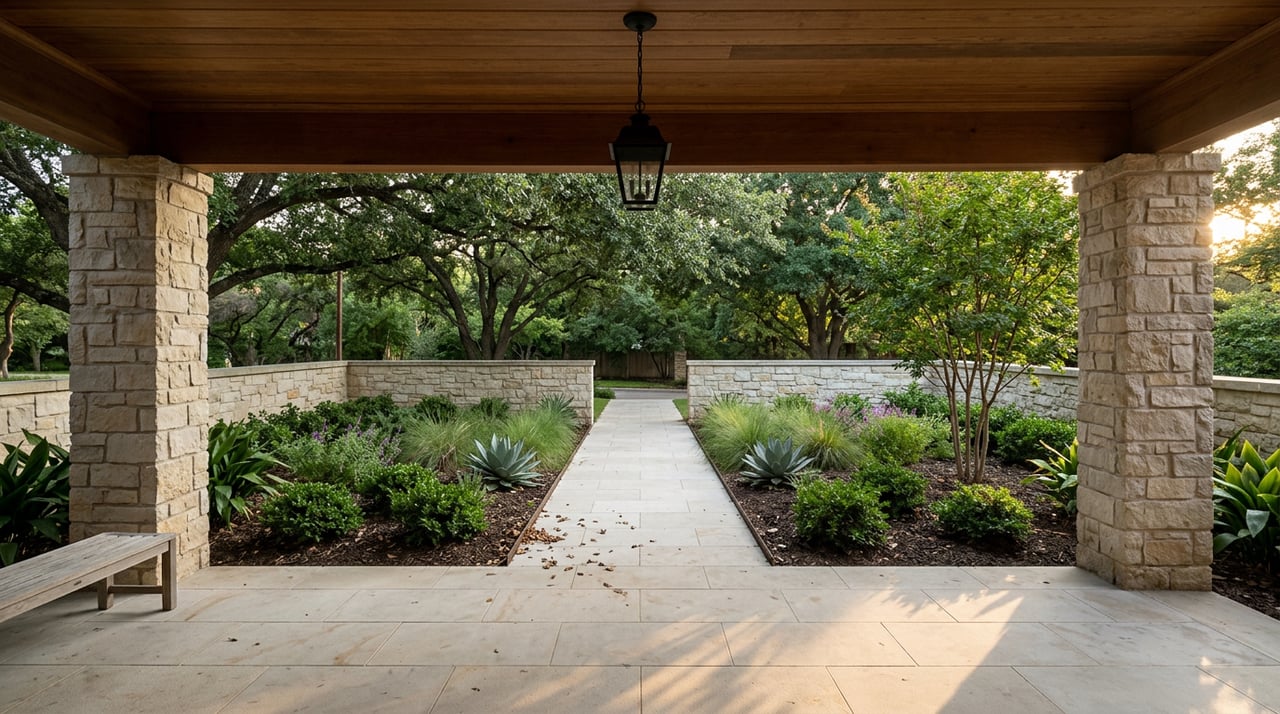
- Curb appeal and outdoor living spaces.
- Clear service records, permits, and inspection reports.
Families may also consider the reputation of Alamo Heights ISD. If school proximity is part of your home’s appeal, share neutral, factual resources such as the district’s website at the right time in the process. You can direct buyers to the Alamo Heights ISD overview for official information.
Buyer surveys and industry analysis continue to show strong perceived value for curb appeal improvements and practical interior updates, especially when paired with reliable systems and honest documentation. See the latest coverage of the NAR Remodeling Impact findings for additional context on what resonates with buyers today in similar markets (NAR Remodeling Impact Report coverage).
Plan before changing exterior features
Before you remove or alter any character-defining exterior element, review Alamo Heights’ planning process. The City’s Architectural Review Board conducts demolition review and provides recommendations to City Council. Certain exterior projects or demolition can trigger a formal review and potential delays. Get familiar with:
- The City’s Architectural Review Board and process.
- The City’s Demolition Review guidance.
If you anticipate exterior work, factor in time for permits and possible review. Document any prior permitted work with invoices, photos, and permit records so buyers can see a clear history. Many sellers also consult local preservation groups early for context and support, such as the Alamo Heights Historical Association and the Neighborhood Preservation League of Alamo Heights.
Disclosures and safety rules you cannot skip
Selling in Texas comes with critical disclosure and safety requirements. These are not optional.
- The Texas Seller’s Disclosure Notice: Most sellers must deliver the standard condition disclosure on or before the contract’s effective date. Review the TREC Seller’s Disclosure Notice and prepare it early to avoid delays.
- Lead-based paint rules for pre-1978 homes: If your home predates 1978, federal law requires specific disclosures and delivery of the EPA/HUD lead pamphlet. Buyers generally receive a 10-day period to test unless waived. Learn more about Title X at the EPA’s lead resources.
Early, accurate disclosures help you control the narrative, set expectations, and reduce renegotiation risk.
Prioritize repairs that protect value
Start with the items most likely to derail a deal, then move to visual refreshes that honor your home’s character.
1) Safety, code, and systems
Focus on the fundamentals first. A pre-list inspection helps you identify and address issues on your schedule.
- Smoke and CO alarms where required, visible electrical hazards, and gas leaks.
- Roof and attic: fix active leaks, rot, or flashing problems.
- Foundation and drainage: address settlement or water intrusion.
- HVAC, water heater, and major plumbing: ensure functionality and document service.
- Electrical panel and wiring: correct obsolete panels or ungrounded circuits.
A seller-ordered inspection can reduce surprises and strengthen your negotiating position. Learn how a pre-list strategy benefits older homes from this overview on pre-listing inspections.
2) Pests, moisture, and specialty checks
Legacy properties often benefit from targeted specialty reports that build buyer confidence:
- Termite or wood-destroying insect inspection.
- Sewer scope if the home is older or there are large trees near the lateral.
- Chimney and flue inspection if you plan to market working fireplaces.
- Lead or asbestos testing when appropriate for pre-1978 features or planned work.
Consider packaging these with your general inspection so buyers understand the full picture. Many listing teams recommend sharing clean reports up front. See how sellers deploy reports, credits, and warranties in this short overview of pre-list inspection strategy.
3) Preserve character with repair-first choices
Respect the original fabric where feasible. National preservation standards favor repair over replacement because it retains architectural integrity and often proves cost-effective.
- Repair and weatherize original wood windows rather than wholesale replacement when possible.
- Refinish original floors and restore built-ins, mantels, and trim.
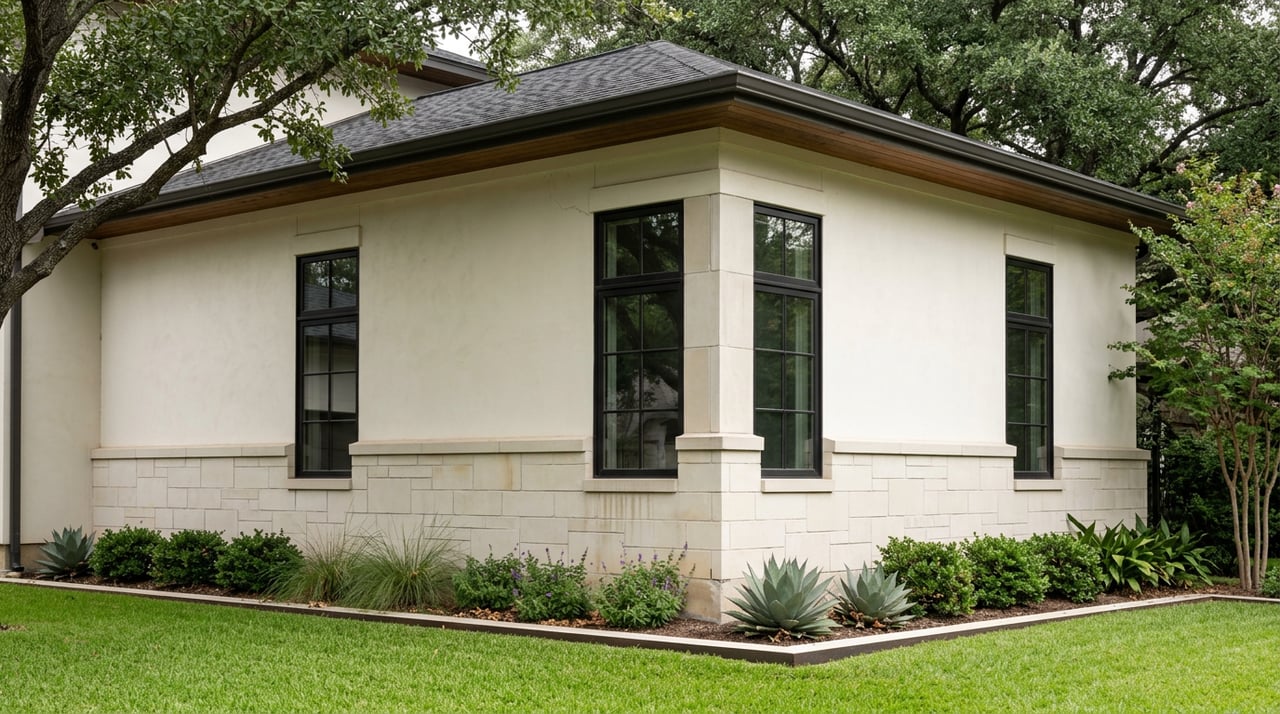
- Use in-kind materials for masonry, siding, and exterior trim repairs.
For guidance on balancing updates with preservation, review the Secretary of the Interior’s Standards.
4) High-impact visual updates
Once safety and systems are set, choose visual updates that deliver strong perceived value without erasing charm.
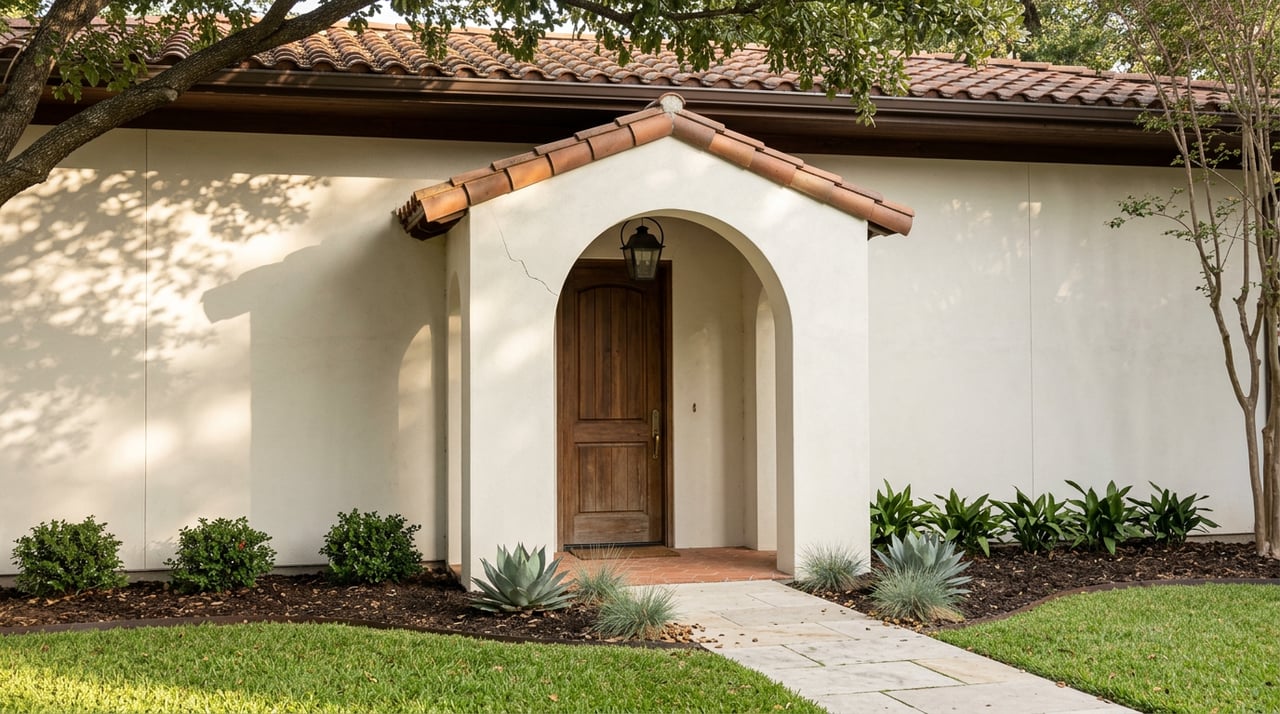
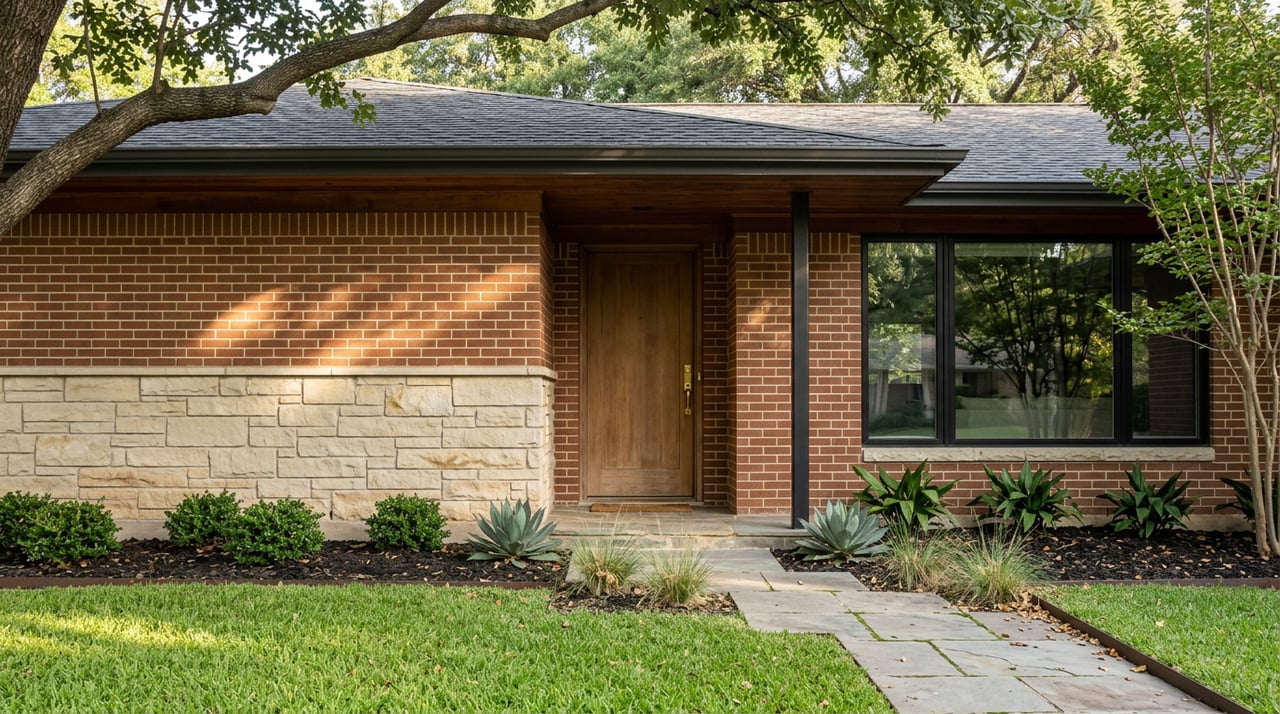
- Curb appeal: a refreshed front door, clean walkways, trimmed landscaping, and updated exterior lighting.
- Fresh, neutral interior paint to lighten dark rooms and create cohesion.
- Kitchen and primary bath refreshes like hardware, counters, and lighting that fit the home’s style.
Current remodeling impact coverage points to curb appeal and practical, tasteful updates as reliable value drivers for buyers who want instant livability (Renovation impact insights).
5) Gather your documentation
Create a tidy digital and printed folder that includes permits, service records, inspection reports, warranties, past renovation invoices, and any preservation or architectural notes. Organized documentation boosts buyer trust and makes your home easier to underwrite during due diligence.
Smart pre-list inspections for older homes
A proactive inspection plan helps you price correctly and control the timeline of repairs.
What to include in a seller package:
- Full home inspection aligned to TREC standards.
- WDI/termite report.
- Sewer scope, when age and trees suggest risk.
- Chimney sweep and report if applicable.
- Lead or asbestos reports for pre-1978 homes or planned work.
- A one-page summary of completed repairs and service dates.
Use your reports strategically: address critical items before listing, disclose the rest with context, and consider offering a limited credit or home warranty to reduce friction at contract. Learn more about up-front inspection benefits at this primer on pre-listing inspections.
Stage with preservation in mind
Staging for a legacy home should enhance, not compete with, the architecture.
- Highlight character-defining features with lighting and clean sightlines.
- Use neutral walls and let original woodwork shine rather than painting over it.
- Refinish, do not replace, solid wood floors when possible.
- Choose scaled-down furniture to keep circulation open in smaller historic rooms.
- Blend period accents with modern comfort for a balanced feel.
Your photos and floor plan should make the story clear: provenance, flow, and outdoor living. Quality images and a concise narrative go a long way with upper-end buyers who value both lifestyle and longevity of design.
Market the story to the right audience
Work with your agent to craft a clear, factual story: year built if known, distinctive materials, notable past improvements, and any architect or historical context. Include inspection summaries and permit history in the listing documents, and ask your agent to reach relevant local and preservation-minded channels in addition to the MLS. For background on how preservation audiences evaluate listings, see this overview on marketing historic homes thoughtfully.
If you plan exterior changes before listing, revisit Alamo Heights’ Architectural Review Board process early so your timing aligns with any review windows.
Your 8–10 week prep timeline
Use this plan as a starting point and adjust to your move date.
Weeks 8–10
- Meet with an agent experienced in 78209 and legacy properties.
- Order a full pre-list inspection plus WDI and sewer scope where indicated.
- Pull permits and gather records. Start your documentation folder.
- Prioritize safety and systems repairs. Obtain contractor quotes.
- If exterior work is planned, review the City’s ARB and demolition review guidance and seek clarity on timelines.
Weeks 6–4
- Complete critical repairs: roofing, electrical, HVAC, and moisture fixes.
- Address preservation-sensitive items: window repairs, trim touch-ups, and refinishing.
- Build a staging plan and schedule professional photography.
- Finalize pricing strategy with your agent based on comps and the home’s character.
Weeks 3–2
- Deep clean, finish staging, and refresh landscaping.
- Prepare disclosures, inspection summaries, service records, and warranties.
- Decide whether to provide inspection reports during showings and whether to offer a warranty or credits.
Listing week
- Launch on MLS with a concise property story and complete document set.
- Consider a broker preview and targeted outreach to preservation-minded audiences.
- Keep a showing checklist: lights on, thermostat set, pets out, and clutter managed.
Your next step
If you want a calm, valuation-led path to market that protects both your legacy and your bottom line, partner with a local advisor who understands Alamo Heights’ homes, regulations, and buyers. For concierge preparation, preservation-sensitive staging, and data-backed pricing, reach out to Cory Bakke. Request a Private Home Valuation and get a clear, custom plan for your 78209 sale.
FAQs
What makes a home a “legacy” property in Alamo Heights?
- In this context, a legacy home is a long-held or historic-feel property where character, provenance, and original features are central to value, which guides a repair-first, preservation-minded prep plan.
Do I need city approval to change windows or porches before selling in 78209?
- Certain exterior changes and any demolition can trigger review by the City’s Architectural Review Board, so review the City’s ARB guidance and Demolition Review process before starting work.
Which pre-sale repairs add the most value for legacy homes?
- Focus on safety and systems first, then curb appeal and tasteful kitchen or primary-bath updates that fit the home’s style, a sequence supported by remodeling impact coverage.
What disclosures are required when I sell in Texas?
- Most sellers must deliver the Texas Seller’s Disclosure Notice and, for pre-1978 homes, federal lead-based paint disclosures and pamphlet; see TREC’s form and the EPA’s Title X overview.
Should I replace original wood windows to impress buyers?
- Often no, since repair and weatherization preserve character and can be cost-effective; the Secretary of the Interior’s Standards favor repair over replacement when feasible.
How far ahead should I start preparing my Alamo Heights home?
- Plan for 8–10 weeks to complete inspections, critical repairs, preservation-sensitive touch-ups, staging, photography, and documentation so you can launch with confidence.