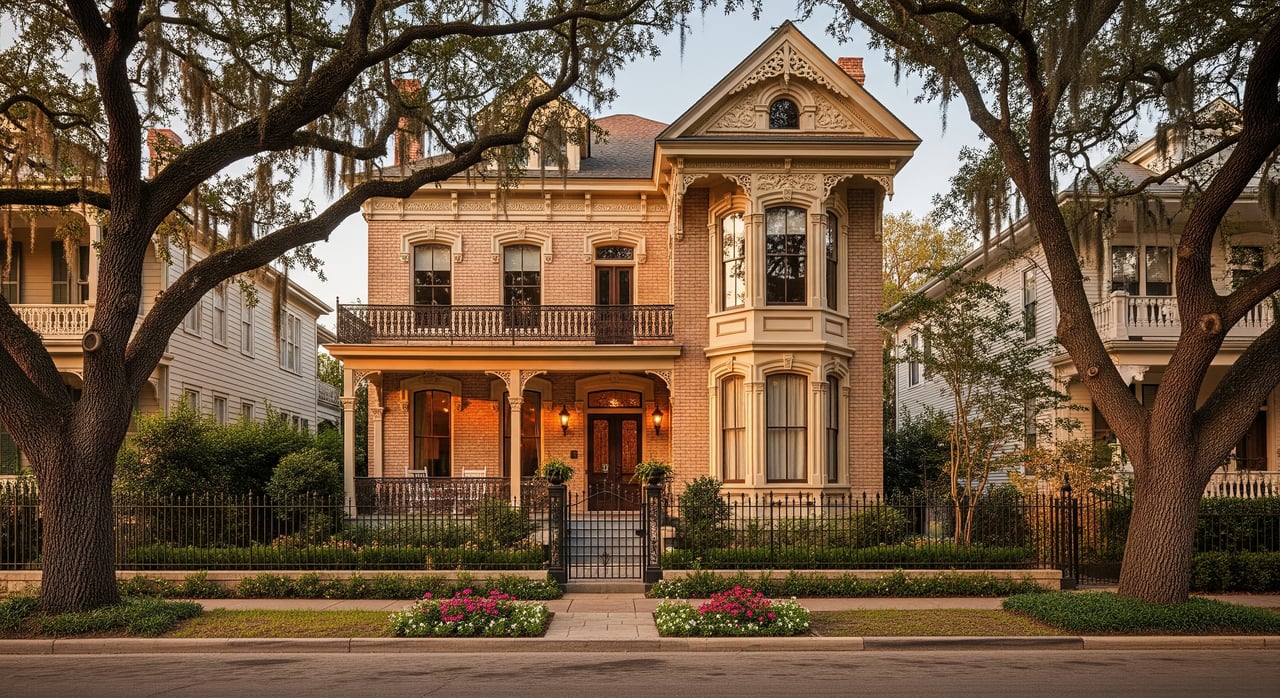
Ever fall in love with a restored Victorian in King William, only to be told the appraisal came in low? You are not alone. Historic homes in 78204 often appraise below contract price, leaving buyers to decide whether to cover the gap, renegotiate, or walk. In this guide, you will learn why appraisal gaps happen here, the strategies that help you compete without overexposure, and how to build a persuasive valuation case if the number misses the mark. Let’s dive in.
Why appraisal gaps happen in King William
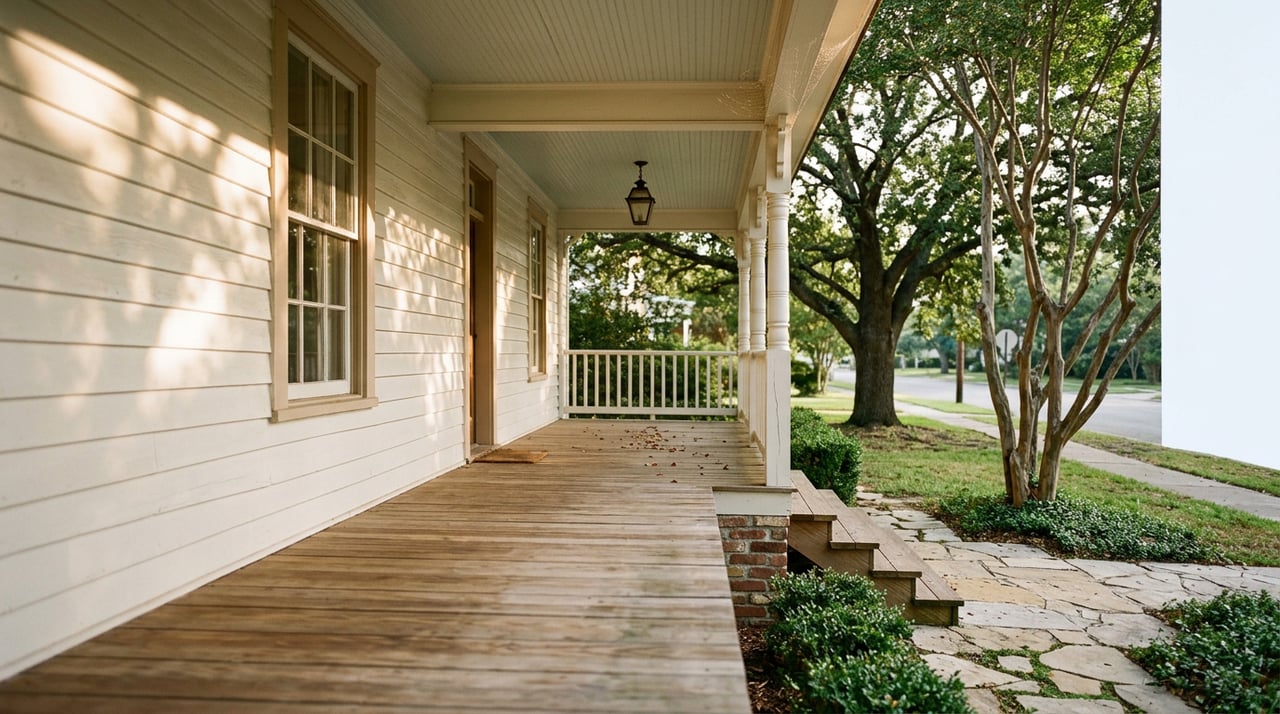
Historic homes are not cookie-cutter. In King William, properties range from grand Queen Anne residences to modest historic cottages, with renovations that vary widely. When similar recent sales are scarce, appraisers rely on broader comps and may lean conservative.
Upgrades matter, but only if they are recognized. If renovations were not permitted or documented, an appraiser may discount value or ignore improvements. That can be a surprise if you are pricing based on quality finishes and recent work.
Condition plays a large role. Homes with deferred maintenance or needed repairs often see value reductions, and government-backed loans may require corrections. In a multiple-offer environment, bidding can outpace what recent closed sales support, creating a gap between contract price and appraised value.
Lot and location quirks also complicate things. Irregular lots, floodplain considerations, and historic easements can affect how appraisers adjust value. Rapid shifts in demand can outpace closed-sale data, so appraisals sometimes lag the momentum you see on the ground.
Lender appraisal vs. tax appraisal
Mortgage appraisals and property tax appraisals are not the same. A lender appraisal is an independent opinion of market value for underwriting your loan. The county’s tax appraisal is for property tax purposes and follows a different process.
The lender controls the appraisal order and process. You cannot usually choose the appraiser, but you can submit evidence and request a reconsideration of value. Knowing this up front helps you plan your offer and documentation.
Smart ways to compete without overexposure
Appraisal-gap coverage
An appraisal-gap commitment is when you agree to bring extra cash to closing if the appraisal comes in low, up to a stated cap. You might offer a flat amount or a percentage of the price. Provide proof of funds to show you can cover the maximum if needed.
Pros: It strengthens your offer in multiple-offer situations and gives the seller confidence that the deal will close. Cons: It increases your risk and reduces your near-term equity cushion if the market softens. Use clear caps that match your comfort level.
Seller appraisal-gap guarantee
In some cases, sellers agree to cover part of a low appraisal or reduce the price up to a cap. This reduces your exposure and may keep financing intact. The terms need to be explicit in the contract so everyone understands the remedy if the appraisal misses.
The trade-off is straightforward. Sellers may price higher to offset this protection, and any credits should be reviewed alongside title and contract terms. Your goal is clarity and balance, not hidden surprises.
Escalation clauses with protection
An escalation clause can win a bidding war but can also push your contract price above appraised value. If you use escalation, pair it with a limited appraisal-gap cap to control your maximum exposure. This pairing signals competitiveness with a disciplined backstop.
If you escalate without protection, you could commit to a number that assumes a perfect appraisal. Think through both sides before you submit.
Contingencies and deal structure
An appraisal contingency lets you renegotiate or cancel if the appraisal is low. Removing it can improve your odds in a competitive field but increases your risk. Consider a reduced appraisal contingency with a short cure period or a capped contribution.
Use earnest money strategically. A larger deposit can show strength, but make sure contingency language protects you if you need to walk due to valuation. Align your deposit with your risk limits.
Preemptive valuation steps
If you are uncertain about value, consider a private appraisal or a detailed comparative market analysis from a local expert. A pre-listing appraisal on the seller side can also set expectations and reduce surprises. Remember that lenders still require their own appraisal for underwriting.
In King William, documented improvements and verified comps matter. Ask for permits, invoices, and historic documentation as part of your due diligence.
Financing and alternatives
A larger down payment gives you room to cover potential gaps in cash if you choose to. Some buyers use bridge financing to keep flexibility. An all-cash offer removes lender appraisal as a hard cap, though many cash buyers still order appraisals for prudence.
Choose a path that aligns with your liquidity and long-term goals. Strength on paper helps you win, but discipline protects your balance sheet.
Negotiation after a low appraisal
If the appraisal is low, you have options. You can renegotiate price, split the difference, or structure seller credits. You can also target specific repairs that the appraiser flagged, which may unlock value or remove financing hurdles.
Aim for solutions that preserve your financing and timeline. Clarity and speed matter once the report lands.
Build a persuasive appraisal reconsideration
An appraisal reconsideration is a formal request for the lender and appraiser to review the value with new evidence. It works best when you correct factual errors or provide superior comparable sales. Emotional arguments do not move the needle.
Pursue reconsideration if the report got facts wrong or used distant comps while ignoring stronger nearby sales. It can also help if you have new, verifiable evidence such as closed sales not in the report or documented permitted renovations.
Typical steps and timing are straightforward. Review the report carefully, assemble your evidence, submit to your lender’s review channel, and monitor for a response. The process can take several days to a couple of weeks, so track your contract deadlines closely.
What works in King William
Target comps that truly match character, period, lot, and restored condition. If the best comps are slightly farther out, explain why their features align and support adjustments. Provide documentation for high-quality, permitted work with invoices and permit records.
Highlight unique features that local buyers pay for, such as original architectural details or proximity to downtown amenities. Keep your narrative concise and evidence-based. The goal is to help the appraiser see market support, not to pressure a change.
Template for your valuation narrative
- Opening purpose statement that requests reconsideration and cites the subject address.
- Facts to correct: square footage, bed/bath count, lot size, easements, or condition errors.
- Comparable evidence: 3 to 5 closed sales with dates, sale prices, distance, and a sentence on age, style, lot, and condition alignment.
- Improvements and permits: list significant renovations with dates, contractor names, permit numbers, and invoices.
- Market context: brief notes on local trend direction if available from credible sources.
- Closing request for reconsideration or field review and your contact information.
Your documentation checklist
Collect and organize your materials before and during the offer. Quality evidence shortens review time and strengthens your case.
- MLS printouts for the subject and comps with sale dates and prices.
- High-resolution interior and exterior photos that show original details and condition.
- Measured floor plan or sketch with square footage reconciliation.
- Copies of permits and final inspections for structural, electrical, plumbing, HVAC, and kitchen work.
- Contractor invoices and warranties for major improvements.
- A concise 1 to 2 page valuation narrative tying features and comps to the subject.
- Lender preapproval and proof of funds that match any stated appraisal-gap coverage.
- Title or plat, plus documentation of historic district restrictions or easements.
- Any seller-provided pre-listing appraisal or market valuation.
In King William, permitted work is more likely to be fully credited in an appraisal. Keep your records clean, complete, and easy to verify.
Timeline and loan-type considerations
Most appraisals follow a predictable arc. After your offer is accepted, the lender orders the appraisal within about a week. The inspection and report often take 3 to 10 business days. Once delivered to the lender, the report is shared per contract or upon request.
If you plan to request reconsideration, act immediately. Contract deadlines for appraisal contingencies are tight, and review can take several business days to two weeks. Build cushion into your timeline when you write the offer.
Loan programs handle property conditions differently. Conventional loans follow uniform standards and typically allow a review process. FHA and VA loans have stricter minimum property conditions, and needed repairs can affect valuation or timing.
Jumbo and portfolio loans may use different appraisal practices. Some portfolio lenders accept alternate valuation evidence more readily, but you still need clean documentation and verifiable comps.
Local specifics for 78204
King William’s historic overlay influences renovation approvals and the way improvements are documented. This can support value when work is permitted and consistent with the district’s character. It can also constrain future changes, which appraisers may consider.
Proximity to downtown and the River Walk often commands a premium for buyers who value location and lifestyle. Appraisers need comps that reflect that premium to support adjustments. Market volatility can increase appraisal risk, so up-to-date comps are essential.
Best-practice recommendations
- Balance competitiveness with a clear cap on exposure. Pair escalation clauses with limited appraisal-gap coverage or keep a reduced appraisal contingency.
- Document everything. Permits, invoices, comps, and a concise narrative speak the appraiser’s language.
- Work with experienced local partners. Agents and lenders who know King William’s stock can spot the right comps and craft stronger submissions.
- Prepare finances early. Know your cash limits for gap coverage and how that interacts with your loan terms.
- Encourage transparency from sellers. Pre-listing appraisals and clear renovation documentation reduce surprises and support value.
Buying in King William means valuing history as much as numbers. With disciplined strategy and strong documentation, you can compete for the home you love while protecting your position. If you want a valuation-led plan tailored to a specific property, connect with Cory Bakke for concierge guidance.
FAQs
If the appraisal is low in King William, does the sale automatically fall through?
- Not automatically; you can renegotiate, cover the difference in cash, ask the seller to contribute, or cancel if your appraisal contingency allows it.
Can I choose the appraiser for my 78204 purchase?
- Typically no; the lender selects the appraiser, but you can submit evidence and request a reconsideration of value through the lender.
How much appraisal-gap coverage should I offer in a competitive offer?
- There is no one-size-fits-all; set a cap that matches your risk tolerance and verified funds, and coordinate with your lender and agent.
Will a private appraisal I order help the lender’s appraisal?
- It can inform your strategy and support reconsideration, but the lender still requires its own appraisal for underwriting.
Do historic features always raise appraised value in King William?
- Not always; value depends on buyer demand, condition, and documentation, while unpermitted changes or deferred maintenance can reduce the appraised value.