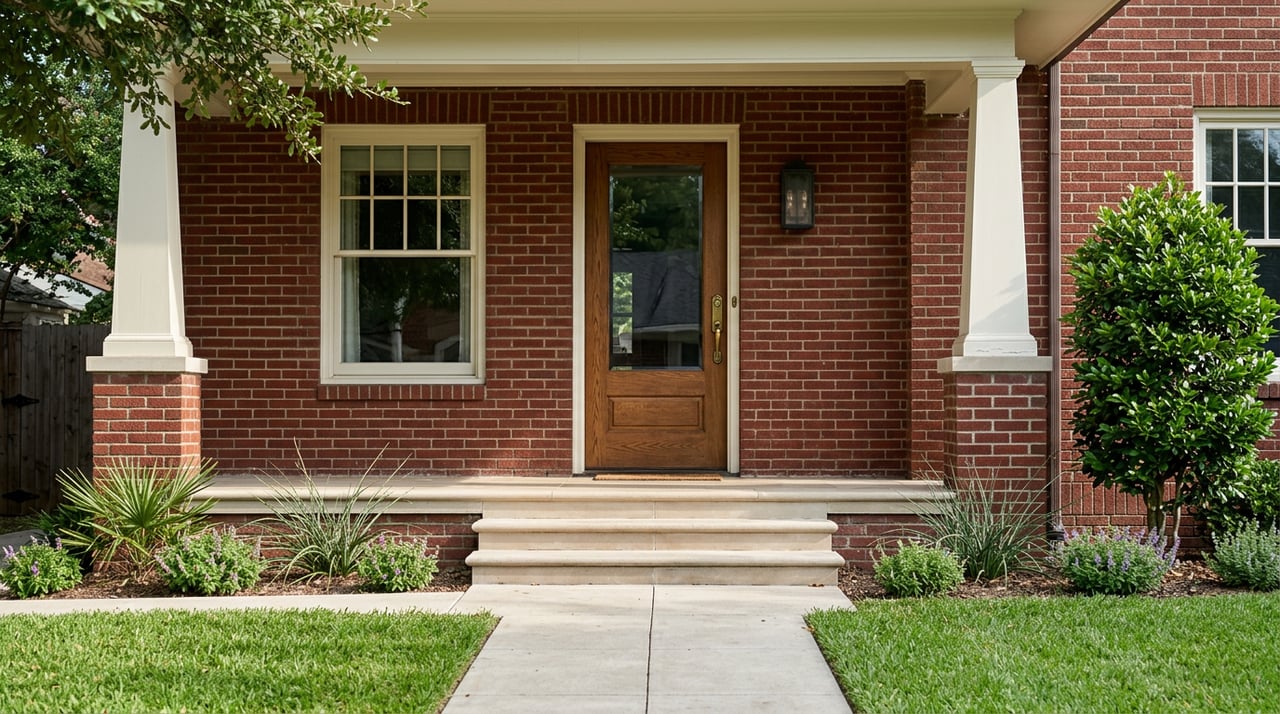
Love the character of Monte Vista but worry about surprise costs and red tape? You are not alone. Buying a historic home in 78212 can be deeply rewarding, yet it asks for a clear plan, the right inspections, and a firm grasp of the City’s preservation rules. In this guide, you will learn how to navigate approvals, avoid common pitfalls in older homes, and use tax incentives to your advantage. Let’s dive in.
Monte Vista’s appeal and what it means
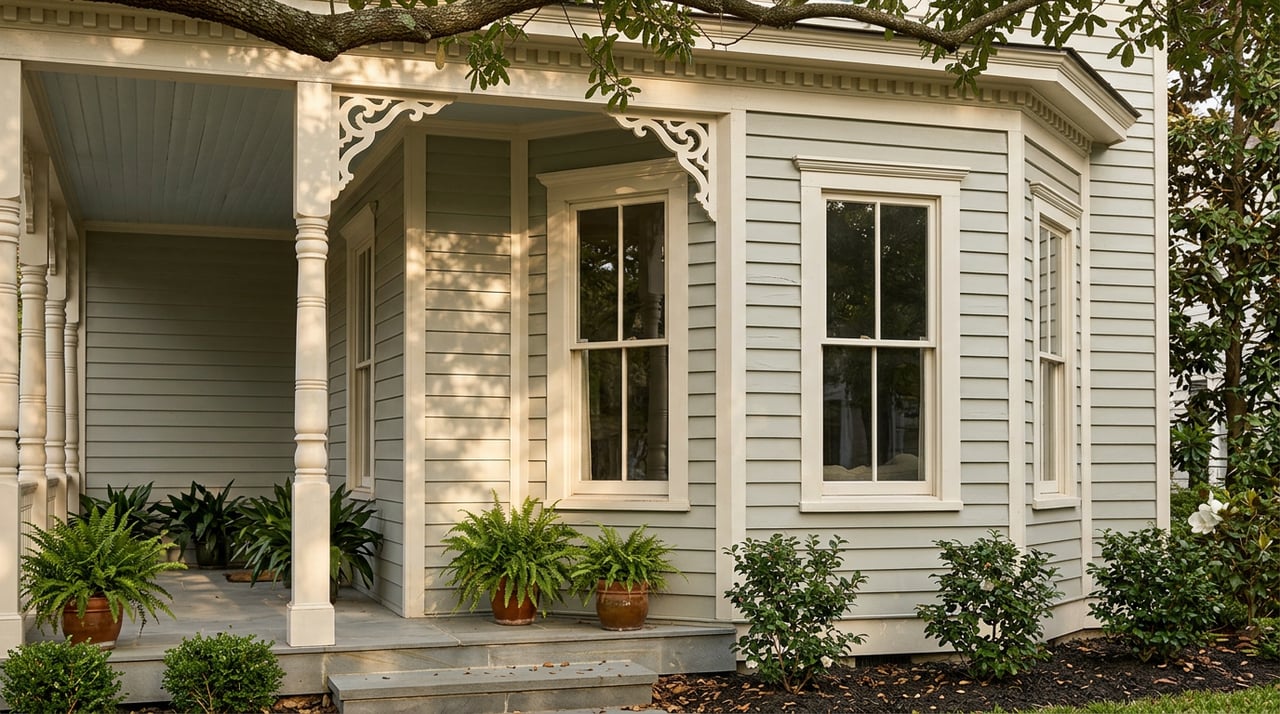
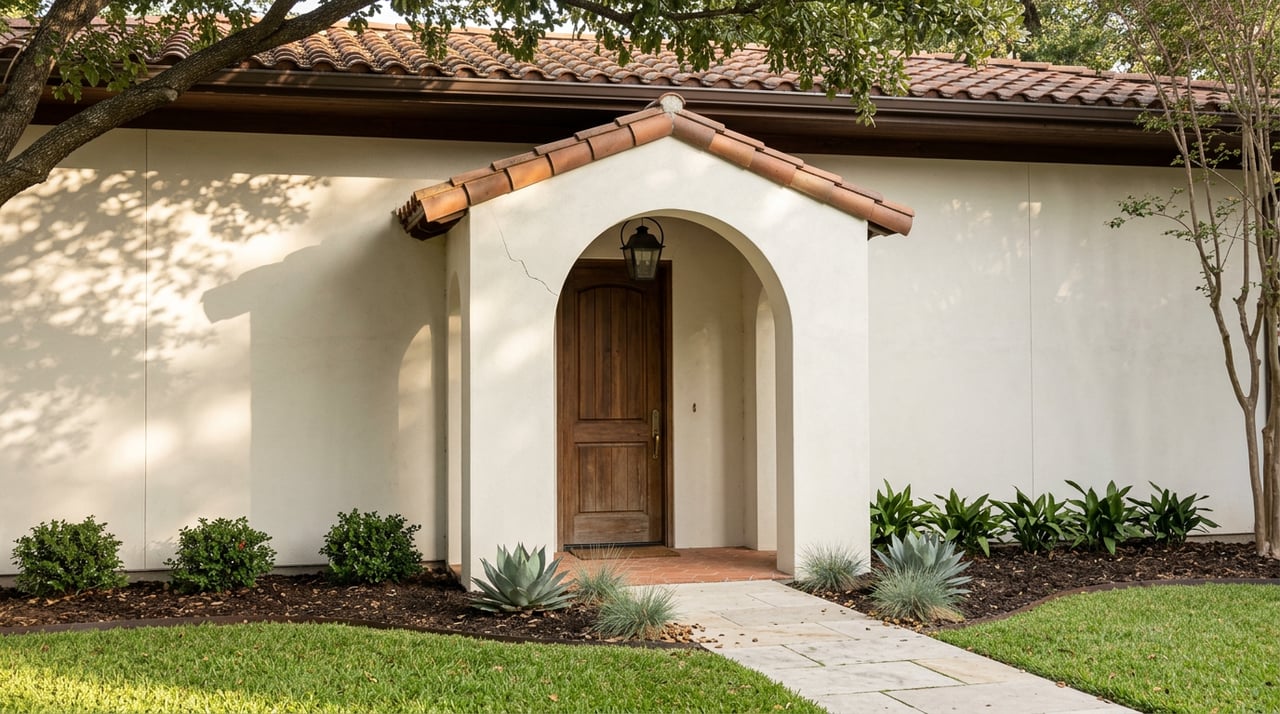
Monte Vista is one of San Antonio’s largest and most architecturally rich historic districts. The neighborhood includes homes from the 1890s through the 1930s, with styles that range from Queen Anne and Craftsman to Spanish Colonial Revival and Georgian. Many properties retain original windows, plaster, masonry, and wood details that give the area its enduring charm.
Historic designation protects that character. Monte Vista is locally designated and listed on the National Register of Historic Places, so most exterior changes that are visible from the street require design review by the City. The Monte Vista Historical Association is a helpful first stop for neighborhood context and homeowner guidance, including contractor referrals and design expectations. You can explore the area’s history and resources through the Monte Vista Historical Association.
Know the rules before you renovate
If you plan to alter anything on the exterior that is street visible, you will likely need a City Certificate of Appropriateness, or COA. The City’s Office of Historic Preservation (OHP) oversees the process and applies the Historic Design Guidelines. Staff can approve minor in‑kind work, while larger projects go to the Historic and Design Review Commission, or HDRC. Starting visible work without a COA can result in a stop‑work order and a post‑work application penalty.
The City outlines how to prepare, submit, and time your application. As a rule of thumb, expect applications for HDRC review to be due weeks before a hearing, with decisions typically issued within about 10 days after the hearing. Complex projects may require revisions, public notice, and added plan review. Build in weeks to months, not days. For details on scope, timing, and pre‑application steps, review the City’s guidance on COA and HDRC project review.
How permits fit with the COA
A COA usually comes before building permits for the same scope of exterior work. San Antonio Development Services uses the BuildSA portal for permits, plan reviews, and inspections. Permit reviewers check that COA conditions are satisfied during review and in the field. You can search legacy permit history and submit new permits through Development Services and BuildSA.
Use incentives to your advantage
If you are planning a major rehabilitation, the City offers local property‑tax incentives for substantial work on historic properties. Qualified residential projects can receive either a 10‑year freeze on the City’s portion of taxes, or a 5‑year zero City tax followed by 5 years at 50 percent. Projects must meet a cost threshold relative to the improvement value, and you need to apply and certify before work starts and again after completion. Learn how to qualify and time your application through the City’s Landmarks and Heritage incentives.
What inspections matter most
Buying in a pre‑1940 neighborhood means focusing on systems, structure, and safety. These are the areas that most often affect cost, insurance, and permitting.
Electrical safety and capacity
Many older homes still have knob‑and‑tube or aluminum wiring, along with undersized panels. Insurers may require updates or offer limited coverage if legacy wiring remains. Have a licensed electrician evaluate the system, panel capacity, and any discontinued wiring types so you can budget upgrades where needed. For a consumer overview of how wiring age can affect insurance, see this guide to old-home insurance considerations.
Plumbing and service lines
Galvanized or cast‑iron drain lines are common in older homes, and some service lines may include lead components. San Antonio Water System is inventorying service‑line materials and provides inspections for eligible addresses. Confirm the service‑line type during due diligence so you understand any health implications and future replacement costs. You can check status and request verification through SAWS Project Lead.
Lead‑based paint in pre‑1978 homes
Federal rules require sellers of most pre‑1978 homes to disclose known lead hazards and provide buyers a 10‑day period to conduct a lead inspection or risk assessment. If you plan renovations that may disturb paint, contractors must follow EPA lead‑safe work practices. Review your disclosure packet carefully and consider testing if children or pregnant people will live in the home. For the official requirements, see the EPA’s lead disclosure rule.
Asbestos in finishes and insulation
Asbestos can be present in older floor tiles, roofing, insulation, or texture. If you will remove materials or open walls, a licensed asbestos survey is a prudent and often required step. If asbestos is found, removal must follow Texas licensing rules. You can confirm regulatory guidance and contacts through Texas DSHS programs.
Termites and wood‑destroying organisms
Texas has a high termite risk. Historic framing and older sill plates can be vulnerable if moisture is present. A wood‑destroying insect inspection helps identify active infestation and past damage so you can price treatment and repairs. For background on termite risks in Texas, consult Texas A&M AgriLife resources.
Foundations and local soils
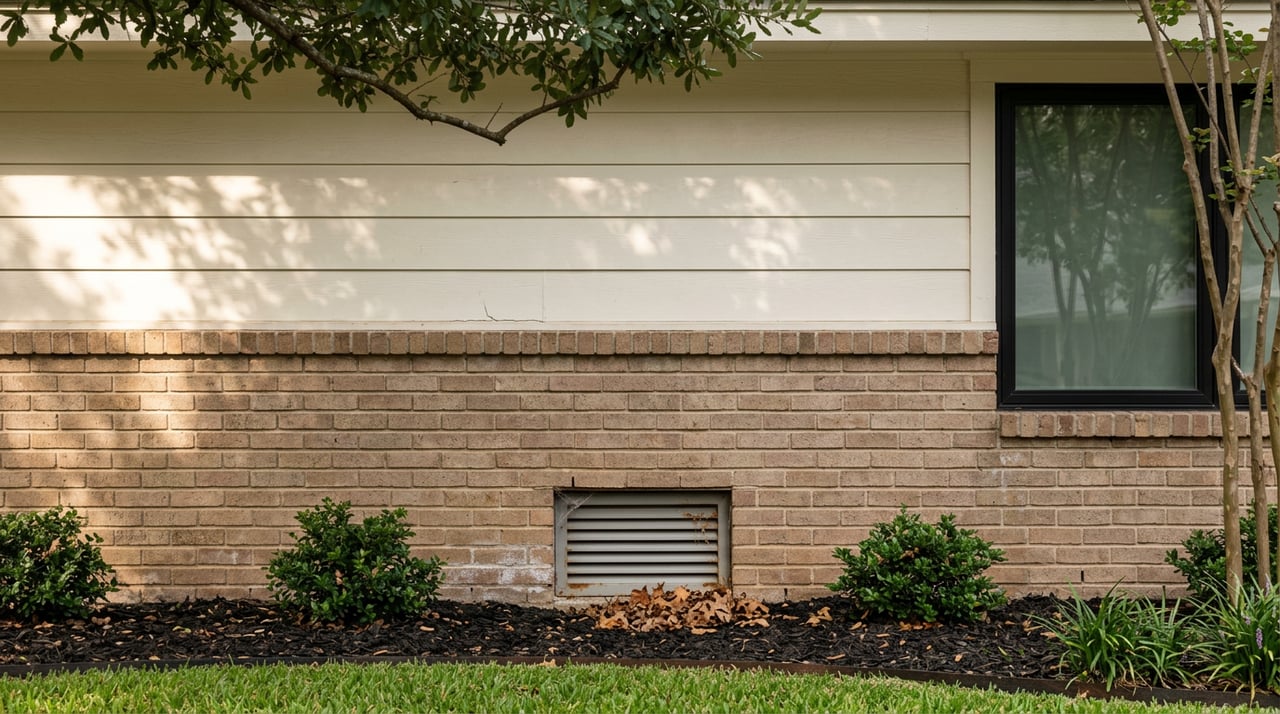
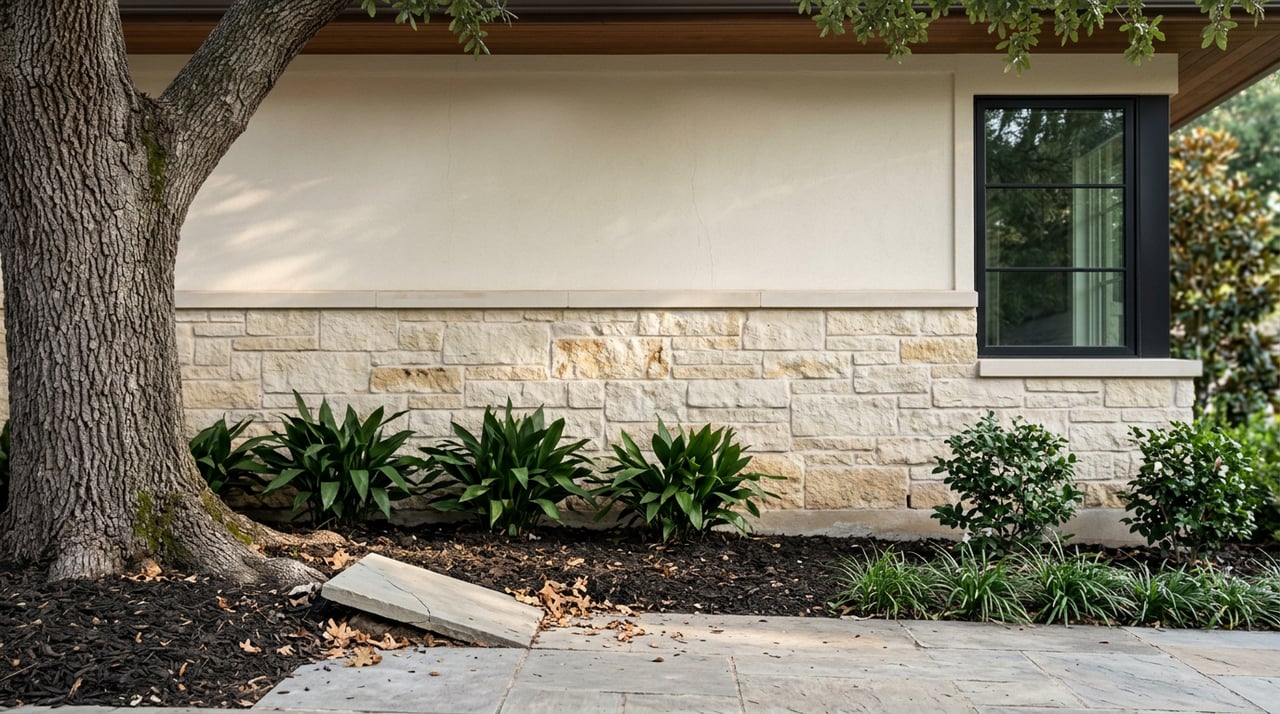
Monte Vista homes sit on a mix of pier‑and‑beam, early slab, and masonry foundations. Bexar County soils include clays and caliche layers that can contribute to differential movement. If you see cracking, uneven floors, or prior foundation work, ask a structural engineer for a written assessment and repair scope. This protects your budget and gives you leverage for negotiations.
Roofs, windows, and historic fabric
Original wood windows, plaster, masonry, and period roofing often define a home’s character. Repairs that preserve historic fabric can be more specialized than modern replacements, and the City may require in‑kind or compatible materials for street‑facing elevations. Budget for trades that understand historic building methods.
Insurance and underwriting
Insurers look closely at roof age, wiring, plumbing, and any documented structural or pest issues. Some carriers may require upgrades or offer modified coverage for older systems. Shop coverage during your option period so you are not surprised before closing. The Texas Department of Insurance offers consumer guidance on shopping for homeowners insurance.
Evaluate past work before you commit
Ask the seller for a complete record of permits, COAs, and final inspection sign‑offs for any exterior or structural work. Missing permits or COAs for street‑visible changes can trigger remediation, retrospective approvals, or added cost for you later. Confirm that any COA conditions, such as material samples, were satisfied.
Request contractor credentials, invoices, warranties, and lien releases for major projects like foundation, electrical, plumbing, HVAC, and window or masonry restoration. If there are structural reports, termite letters, lead or asbestos surveys, or geotechnical documents, review them with your inspector. Gaps in documentation are common with older homes, so build time to commission new inspections during contingencies.
Red flags that justify deeper review include unpermitted structural changes, missing COAs for visible exterior work, major foundation or termite repairs without engineer oversight, and a history of insurance cancellations. Any of these can lead to renegotiation or a request for seller‑funded remediation.
A buyer checklist for 78212
Use this streamlined checklist to stay ahead of surprises and keep momentum through closing.
Pre‑offer preparation
- Confirm the property’s local historic overlay and look for prior COAs or permits through City resources, then contact OHP for questions on proposed exterior work.
- Ask the seller for COAs, building permits, final inspections, contractor invoices, warranties, and any specialist reports. Plan targeted inspections where documents are missing.
- Verify water service‑line material with SAWS, especially if the home predates 1989, and schedule an inspection if the material is unknown or galvanized.
During option and contingencies
- Order a full home inspection immediately, then add specialists as needed: electrician, plumber, termite inspector, structural engineer, lead assessor, and licensed asbestos consultant.
- Obtain written bids for any identified repairs so you can quantify costs and negotiate with confidence.
- Begin a COA pre‑application conversation with OHP if you intend to alter visible exterior elements. This saves time when you submit for permits.
- Shop homeowners insurance now, especially if the home has legacy wiring, an older roof, or known structural issues.
Work smoothly with historic review
Approvals move faster when you provide clear documentation. For exterior work, prepare scaled drawings, photographs, and material samples that align with the City’s Historic Design Guidelines. Routine in‑kind repairs can often be approved administratively, while major additions and demolitions go to HDRC. Coordinate your permit submittals so COA conditions are visible to plan reviewers and inspectors. If you are unsure which path fits your project, start with a pre‑application call to OHP. The City outlines the process here: COA and HDRC project review.
Why expert representation matters in Monte Vista
Historic homes are part architecture and part stewardship. You deserve guidance that blends market valuation with a clear plan for regulations, inspections, and insurance. A seasoned local advisor helps you price risk, time approvals, and connect with restoration‑minded contractors so you buy the right house at the right number.
If you are considering a home in Monte Vista or the surrounding 78212 area, let’s talk through your goals, inspection strategy, and timeline. Connect with Cory Bakke for concierge buyer representation tailored to historic properties.
FAQs
What is a COA and when do I need one in Monte Vista?
- A Certificate of Appropriateness is required for nearly all street‑visible exterior work on locally designated properties. OHP can approve minor in‑kind repairs, while larger changes go to HDRC for a public hearing.
How long does the HDRC approval process take in San Antonio?
- Applications are typically due weeks before a hearing, and COAs often issue within about 10 days after the hearing. Complex projects can add weeks for revisions, public notice, and building‑permit review.
Which inspections are essential for pre‑1940 homes in 78212?
- Start with a full home inspection, then add an electrician, plumber, termite inspector, structural engineer for any movement, and lead or asbestos professionals if you plan renovations or have at‑risk occupants.
Do older wiring and roof age affect homeowners insurance?
- Yes. Underwriters scrutinize legacy wiring, aged roofs, and known structural or pest issues. You may be required to upgrade systems or accept modified coverage, so shop policies during your option period.
How do the City’s historic‑rehab tax incentives work?
- If your project meets cost thresholds and follows design review, you may qualify for a City‑portion tax freeze for 10 years or a 5‑years zero and 5‑years fifty percent schedule. Apply before work starts and verify on completion.
What documents should I request from a seller of a historic home?
- Ask for COAs, building permits, final inspections, contractor invoices and warranties, termite letters, structural or geotechnical reports, and any lead or asbestos surveys, then fill gaps with new inspections during contingencies.