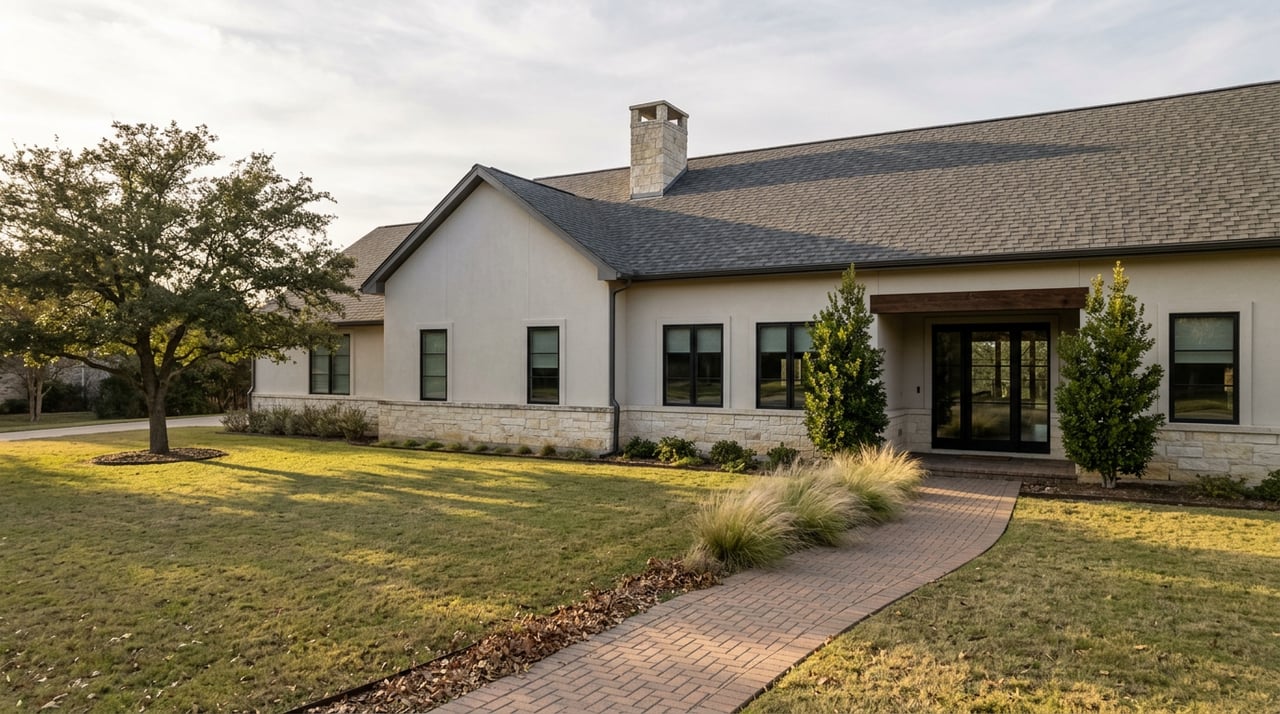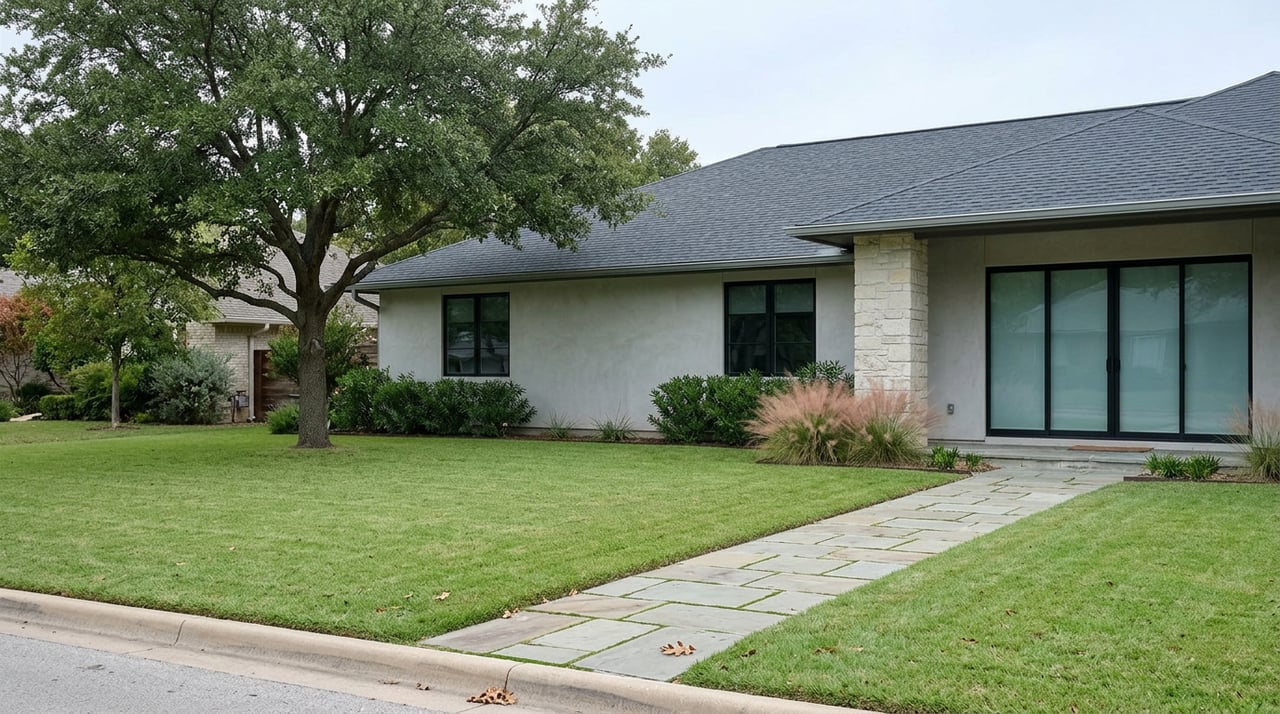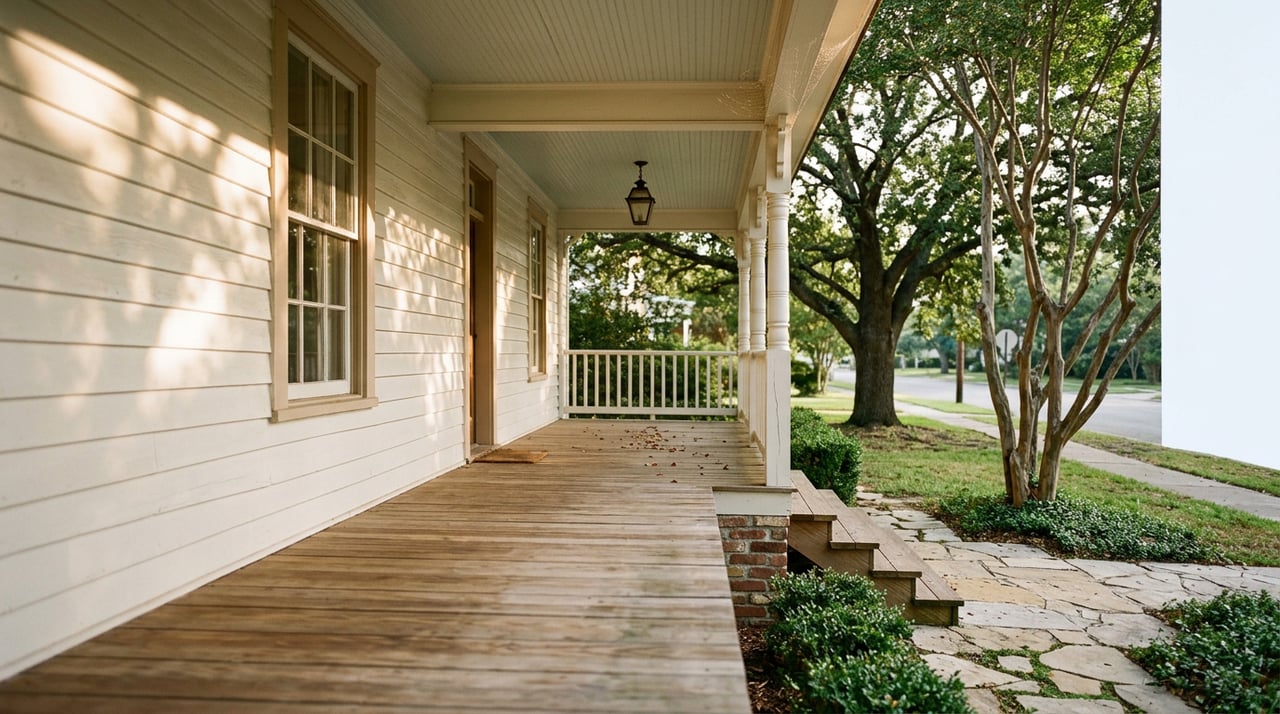
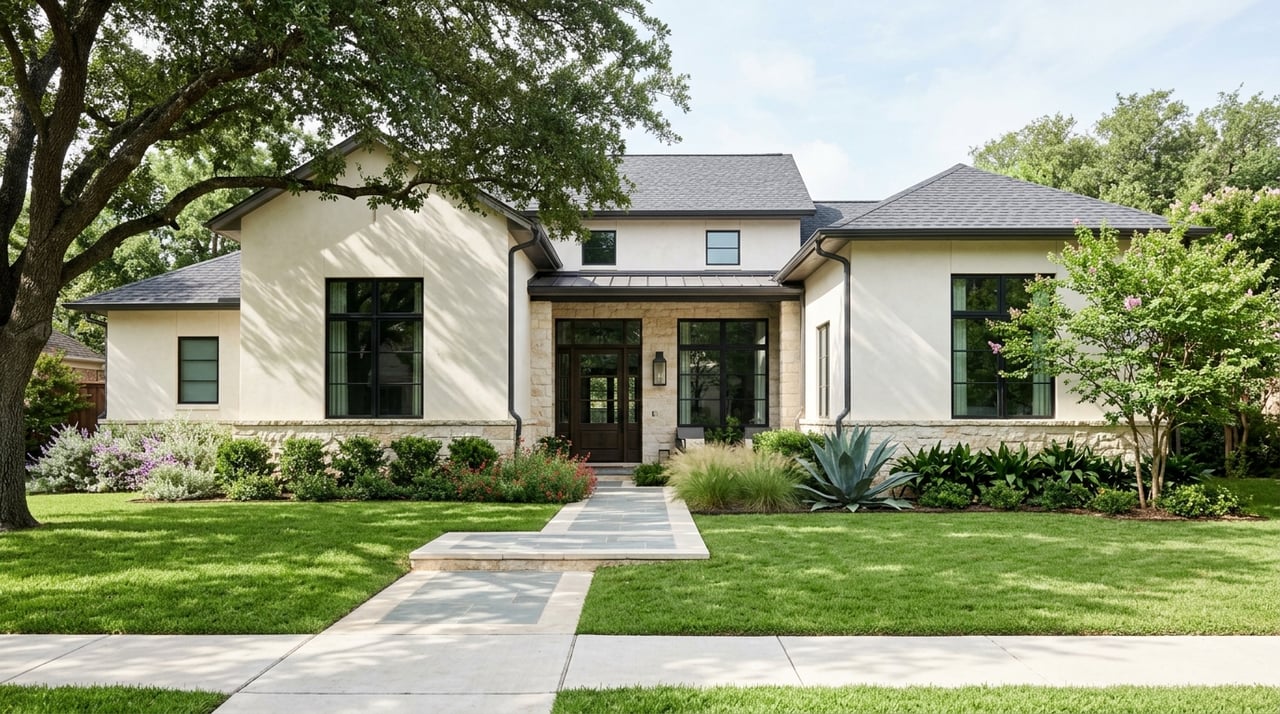
If you want a neighborhood that feels tucked away but still connected to everyday San Antonio life, Olmos Park stands out. You may be looking for tree-lined streets, nearby dining, and a lifestyle that lets you mix quiet residential living with quick access to parks, culture, and errands. In this guide, you’ll get a clear picture of what daily life in Olmos Park can look like, from outdoor spaces to walkability and local conveniences. Let’s dive in.
Olmos Park at a Glance
Olmos Park is a small enclave city in ZIP code 78212, fully surrounded by San Antonio. According to city materials, it has about 2,200 residents, roughly 800 single-family homes, and about 250 apartment units.
Location is a major part of the appeal. The city sits about four miles north of downtown San Antonio and about five miles south of the airport, which gives you a close-in residential setting rather than a far-out suburban commute. That central position helps explain why Olmos Park often feels both established and practical.
The city’s history page points to roots in the 1920s, while current civic materials highlight features like tree-canopied streets, a welcome committee, local publications, and youth programs. Altogether, that paints a picture of a neighborhood-scale community with an active civic rhythm.
Parks Shape the Daily Pace
For a compact city, Olmos Park has a meaningful outdoor presence. The city notes that there are four parks in total, with Alameda Circle serving as the largest at one-half acre.
Alameda Circle is more than just a green patch. It functions as a civic gathering point for community events such as Fiesta, Independence Day, National Night Out, Halloween, and Christmas celebrations. If you value a neighborhood where public spaces support real community life, this is an important part of the Olmos Park experience.
For larger-scale recreation, nearby options expand beyond the city limits. The Olmos Clubhouse page places the clubhouse within Olmos Basin Park, giving residents access to a broader park setting when they want more room to spread out.
Best Spots for Walking and Exercise
Olmos Park’s outdoor rhythm is not just about formal parks. The city’s historical and civic materials also describe Alameda Circle as a place to stroll, while the city brochure identifies Contour Drive as a route favored by runners and cyclists.
That detail matters because lifestyle is often built around routines, not just destinations. If you like morning walks, evening jogs, or a quick outdoor reset without getting in the car, certain parts of Olmos Park support that kind of day-to-day habit especially well.
Still, it helps to think of walkability here as address-sensitive. Some streets offer stronger pedestrian convenience than others, so your exact location can shape how walkable your daily routine feels.
Dining and Daily Errands Nearby
One of the most appealing parts of Olmos Park living is how close many daily needs can be. The city says its business district includes restaurants ranging from quick sandwiches to gourmet and ethnic dining, along with convenience stores, salons, auto garages, and other service businesses.
That mix supports a lifestyle where short trips can cover a lot. City materials also mention an H-E-B a few blocks beyond the city limits, which adds to the sense that grocery runs and everyday errands can stay relatively local.
This convenience is part of what makes Olmos Park feel livable, not just attractive. You are not relying only on a beautiful residential setting. You also have a practical layer of nearby businesses that can make daily life easier.
Nearby Cultural and Entertainment Access
Olmos Park also benefits from being near some of central San Antonio’s most active destinations. City materials point to Pearl, the Quarry, St. Mary’s Strip, and North Star Mall as nearby options for dining, shopping, and entertainment.
For many buyers, that kind of access is a major quality-of-life advantage. You can enjoy a quieter residential base while still staying close to larger-scale social and cultural districts for a night out or weekend plans.
Visit San Antonio describes Pearl as a hub for culinary experiences, shopping, entertainment, and nightlife. The same source notes that Broadway connects many of the area’s major institutions, including the San Antonio Museum of Art, The DoSeum, the Witte Museum, the Japanese Tea Garden, the San Antonio Botanical Garden, Brackenridge Park, and the McNay Art Museum.
In practical terms, that means Olmos Park can work well for people who want their home base to feel calm and established while keeping central-city amenities within easy reach.
Nearby Campuses Add Activity
The area’s daily energy is also shaped by nearby institutions. According to the city brochure, Trinity University and the University of the Incarnate Word are both less than a mile from the city limits.
That does not make Olmos Park a campus neighborhood in the usual sense, but it does add another layer to the broader area’s rhythm. Nearby universities can support surrounding retail, dining, and everyday activity patterns that residents experience indirectly.
How Walkable Is Olmos Park?
Walkability in Olmos Park is real, but it is not uniform across every block. That is one of the most important takeaways if you are evaluating the neighborhood through a lifestyle lens.
Walk Score rates 120 West Olmos Drive at 83 out of 100 and Stanford Drive at 72 out of 100, both classified as Very Walkable. At the same time, transit and bike scores are more moderate or mixed, which suggests that some errands can be done on foot while a car may still be useful for other trips.
This kind of variation is common in established central neighborhoods. Two homes in the same city can offer meaningfully different daily routines depending on how close they are to commercial corridors, park access, or bus routes.
Transit and Car Use
Public transit is available, though it is not the main story. Walk Score identifies nearby VIA routes such as 5 McCullough and 204 San Pedro/McCullough, and city materials note that bus service on McCullough links downtown San Antonio and the airport.
That said, transit appears to play a supporting role rather than replacing car use. Research from Visit San Antonio also notes that metro-wide transit is limited and that cars remain the main way many residents get around.
For you, the takeaway is straightforward: Olmos Park can offer walkable pockets and some transit access, but your transportation experience will likely still include driving for at least part of your routine.
School Boundaries Are Worth Verifying
If schools are part of your home search, it is important to confirm details by address. According to AHISD, the district serves Alamo Heights, Terrell Hills, Olmos Park, and part of north San Antonio.
The city brochure notes that there are no school facilities inside Olmos Park city limits and that AHISD schools are within about a four-mile radius. Because zoning can vary, buyers should verify current assignments through district resources and street-level maps rather than assuming all addresses will align the same way.
That kind of careful, address-specific review is especially important in compact, established neighborhoods where boundaries and lifestyle factors can shift from one street to the next.
What the Olmos Park Lifestyle Feels Like
At its core, Olmos Park offers a close-in lifestyle with a distinct sense of place. You get a tree-rich residential setting, a compact park system, nearby dining and services, and convenient access to some of San Antonio’s best-known cultural and entertainment districts.
What makes the area especially appealing is the balance. It feels neighborhood-focused and established, yet it stays closely connected to downtown, the airport, central retail corridors, and major destinations across north-central San Antonio.
The key is understanding that the experience can change by address. Walkability, transit convenience, and even practical details like school assignments are not one-size-fits-all here.
If you are considering a move to Olmos Park or preparing to sell in this part of central San Antonio, working with a local advisor who understands both neighborhood character and property value can make a meaningful difference. To start the conversation, connect with Cory Bakke, a trusted resource for thoughtful guidance in San Antonio’s legacy neighborhoods.
FAQs
What is daily life like in Olmos Park, San Antonio?
- Daily life in Olmos Park blends a quiet residential setting with nearby restaurants, services, parks, and quick access to central San Antonio destinations.
Are there parks in Olmos Park for walking and community events?
- Yes. Olmos Park has four parks, and Alameda Circle is a key gathering place for strolling and community events throughout the year.
Is Olmos Park walkable for errands and dining?
- Walkability is strongest in certain areas rather than across every block, with some addresses scoring as Very Walkable for nearby errands and dining.
How close is Olmos Park to downtown San Antonio and the airport?
- City materials place Olmos Park about four miles north of downtown San Antonio and about five miles south of the airport.
Are schools located inside Olmos Park city limits?
- No. City materials state that there are no school facilities inside the city limits, so school assignments should be verified by specific address.
Does Olmos Park have access to public transit?
- Yes. VIA service is available on McCullough, but transit is limited compared with driving, which remains important for many trips.