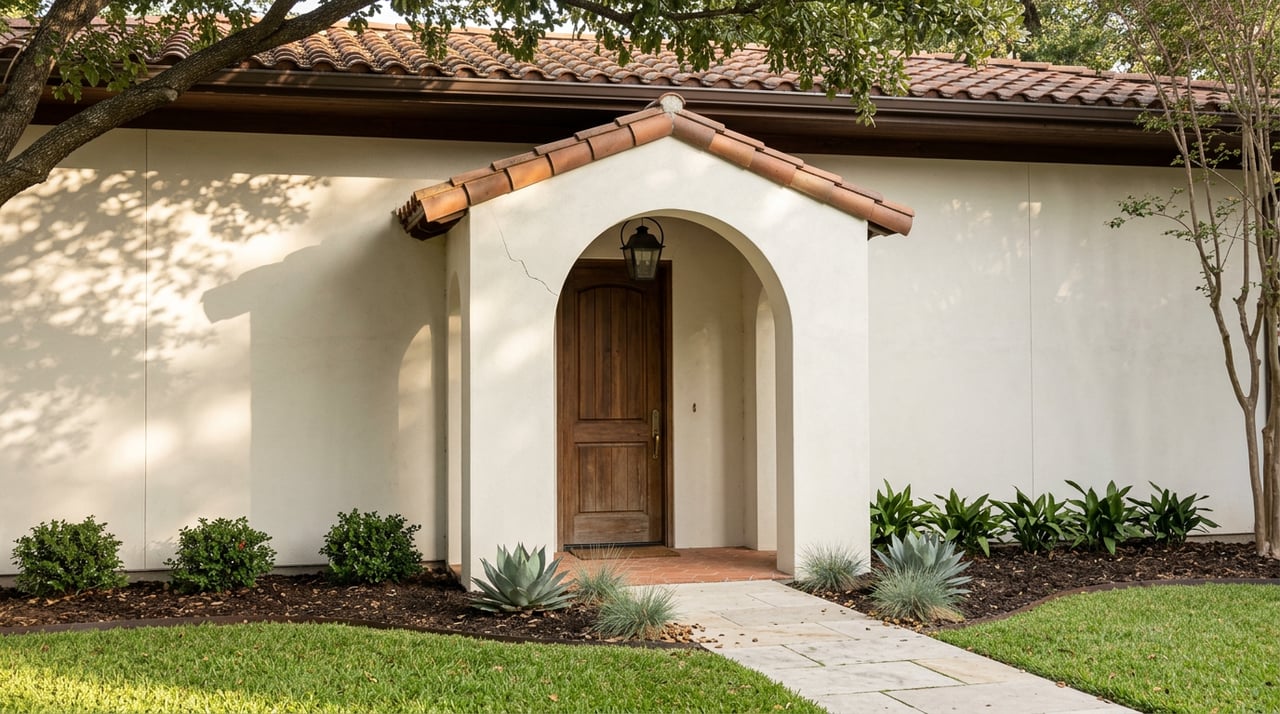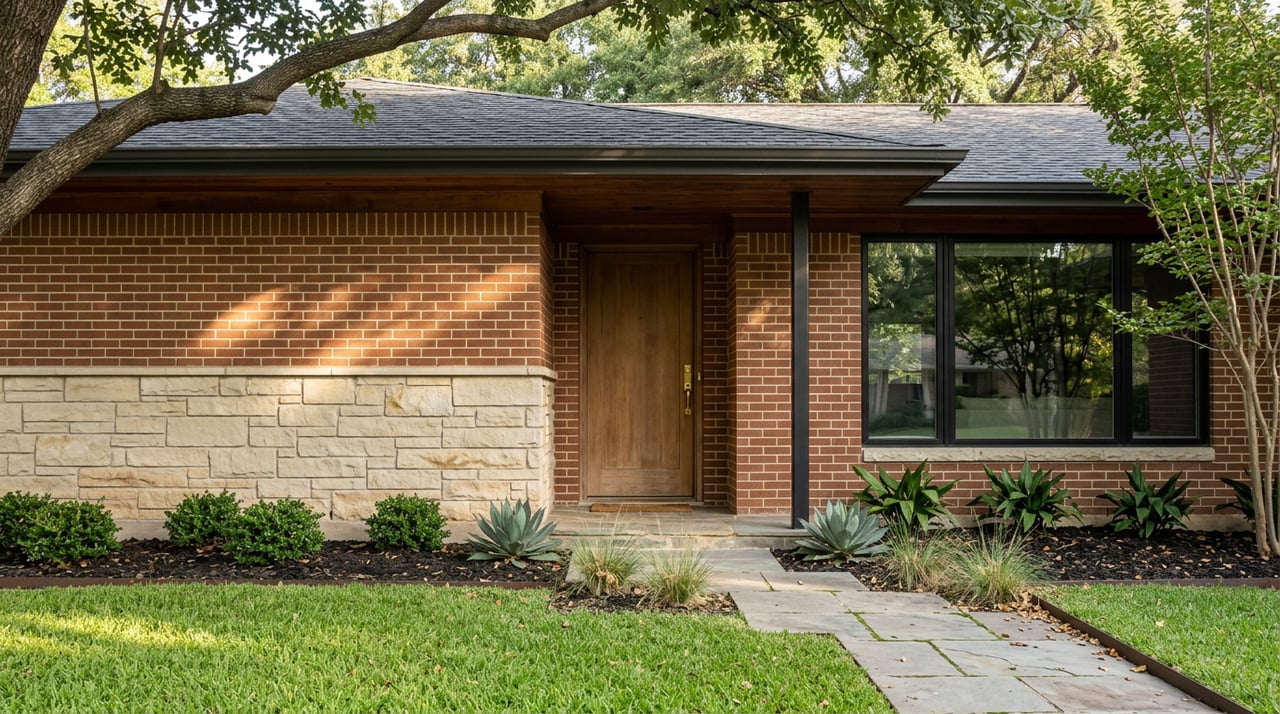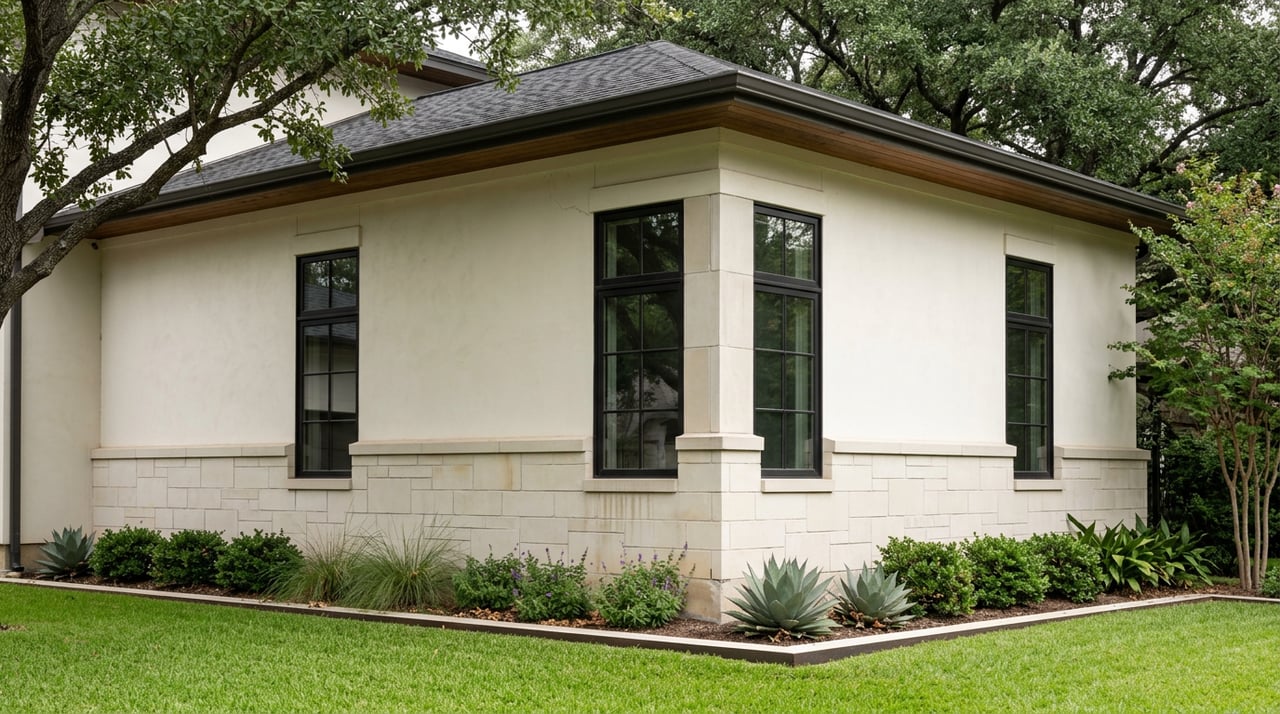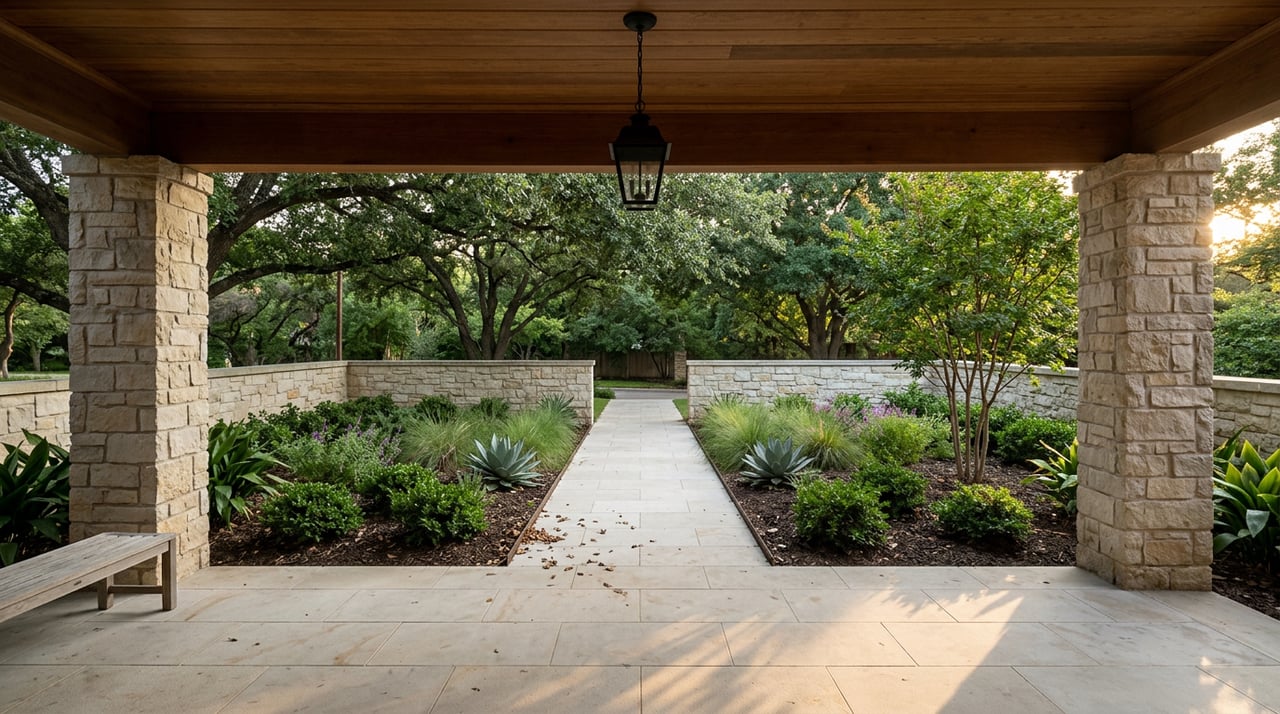
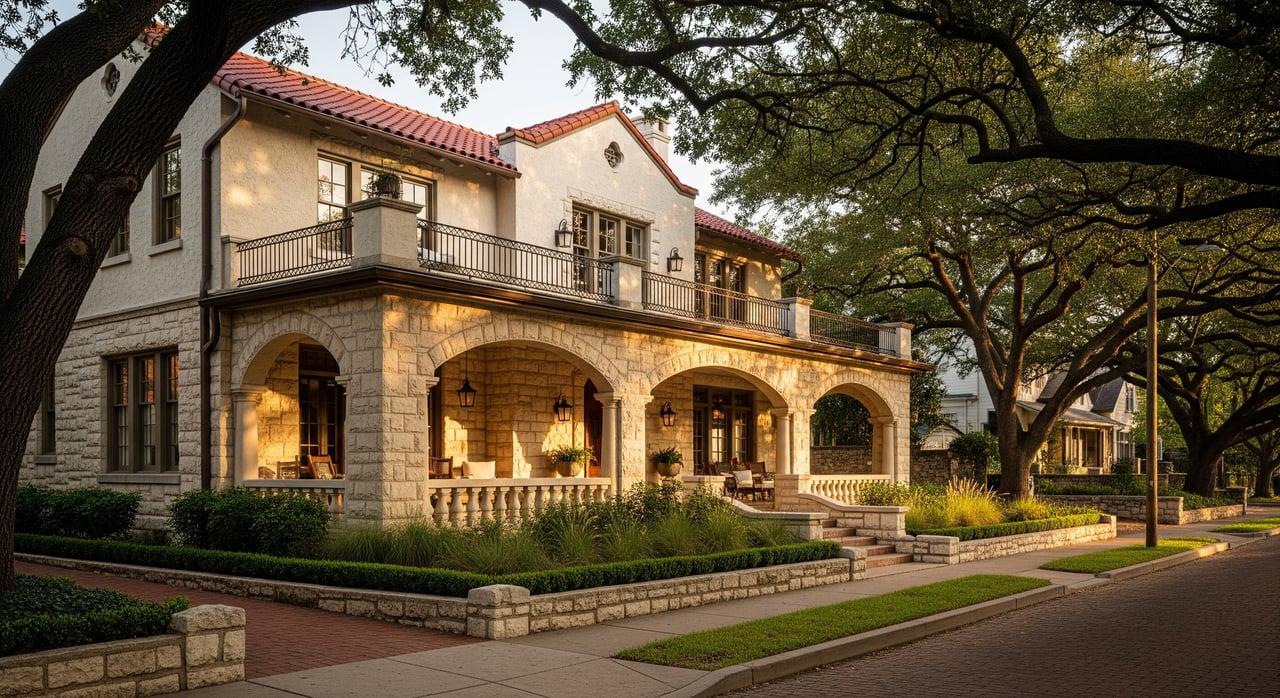
Thinking about updating a Monte Vista home and wondering what you can change on the exterior? You’re not alone. Owners and buyers love Monte Vista for its architecture and streetscapes, and they want to make smart choices that protect both character and value. In this overview, you’ll learn how historic oversight typically works in San Antonio, when a Certificate of Appropriateness is needed, what reviewers look for, and how to plan projects without surprises. Let’s dive in.
Monte Vista historic basics
In San Antonio, historic oversight usually centers on local designation and how changes affect what you can see from the street. Monte Vista’s homes are known for distinctive styles and details, so understanding the review framework helps you plan timelines, budgets, and design choices with confidence.
Two types of recognition come up most often. National Register of Historic Places listing is primarily honorific and can connect to incentives when federal or state programs are involved. Local historic designation is what typically triggers city review of exterior changes visible from the public right of way. Some properties may also have private neighborhood covenants or HOA rules that add their own standards. Always confirm the exact designations that apply to a specific address before you start work.
Local vs. National designations
- National Register listing recognizes a property’s or district’s historic significance. By itself, it generally does not restrict a private owner’s ability to alter a home. Federal review comes into play when federal permits or funding are involved.
- Local historic districts are created by city ordinance and administered locally. If a home sits in a local district, many visible exterior changes typically require approval first.
- Private covenants or HOA rules can add extra requirements. These operate alongside city review.
To verify what applies to your home, consult the City of San Antonio’s historic preservation staff, the neighborhood association, and Bexar County Appraisal District for valuation questions.
COA overview: what it is and why it matters
A Certificate of Appropriateness (COA) is the standard city authorization issued before certain exterior work proceeds on a locally designated property. Reviews focus on whether proposed work is compatible with the district’s character. The goal is to keep character‑defining features while allowing thoughtful updates.
Work that likely needs a COA
- New construction, additions, or accessory structures visible from the street
- Demolition or relocation of contributing structures
- Changes to porches, roofs, windows, doors, siding, or masonry visible from public areas
- New fences, driveways, or hardscape visible from the street
- Mechanical installations with street visibility, such as solar panels or condensers
Routine maintenance and in‑kind repairs are often exempt. Replacing materials with different designs or profiles usually triggers review.
Typical application workflow
- Early consultation: A pre‑application conversation with staff is often recommended to clarify scope and documentation.
- Submit materials: Photos, drawings or elevations, a materials list, and product sheets.
- Staff vs. commission: Minor work may be approved by staff; larger or complex projects often go to a commission meeting.
- Decision and appeals: Outcomes can include approval, approval with conditions, or denial, with an appeal process available.
Timelines and fees vary with scope. Plan for staff approvals to take weeks, and larger applications to take longer. Confirm current schedules with the city before you set contractor dates.
What reviewers consider
Reviewers look at how proposed changes affect the overall streetscape and the building’s key features. In practice, that means:
- Retain and repair original features when feasible
- Match scale, massing, and proportion so additions and new elements feel compatible
- Keep changes reversible when possible, so future owners can restore original elements
- Avoid obscuring significant details such as porches, window patterns, rooflines, and trim
Character‑defining features to protect
- Front porches and their detailing
- Roof shapes, dormers, and cornice lines
- Window types and arrangements, including muntin patterns
- Original siding or masonry such as brick, stucco, or wood clapboard
- Decorative trim, columns, brackets, and entry features
- Fencing that maintains open sightlines and a coherent rhythm along the street
Common project scenarios in Monte Vista
Windows
- Repair is encouraged when frames and sashes are sound. It maintains proportions and profiles that define the facade.
- Full replacement with different materials or altered profiles is closely reviewed and may be discouraged.
- If replacement is necessary, historically sensitive products that match size, configuration, and appearance have better outcomes than options that change proportions.
Roofing
- Visible roof replacements and color changes may require approval. Matching historic profiles and tones is preferred.
- New dormers or altered rooflines almost always need formal review.
Porches and entries
- Porches are often central to a home’s character. Restoration of columns, railings, and steps is usually supported.
- Enclosing a porch changes the streetscape and is commonly discouraged.
Siding and masonry
- Removing or covering original siding typically needs review and may be denied if it alters proportions or hides trim.
- Masonry repair should use appropriate methods and mortar that match historic composition and profile.
Additions and accessory buildings
- Additions should be subordinate in scale and set back to reduce street visibility.
- Accessory units or garages visible from the street are reviewed for placement, massing, and materials.
Paint color
- Paint regulation varies by jurisdiction. Confirm current local policy before selecting any major facade color change.
Solar and energy upgrades
- Solar panels are increasingly allowed when positioned to minimize public visibility, such as on rear slopes.
- Staff seek a balance between sustainability and preserving rooflines and character.
Mechanical equipment and dishes
- Visible HVAC units or satellite dishes may require screening or specific placement to reduce impact on the facade.
Fences and landscaping
- Front yard fences often require review for height, materials, and transparency. Low, open designs are commonly preferred to keep sightlines.
Benefits and tradeoffs for owners and buyers
Benefits of stewardship
- Preserved curb appeal and character that support neighborhood stability and long‑term desirability
- Access to resources and guidance through local and state preservation programs
- Shared standards that reduce incompatible development next door
Research across multiple markets shows well‑managed historic districts tend to stabilize or increase property values over time. Results depend on market conditions, enforcement consistency, and ongoing investment.
Common tradeoffs
- Extra steps and time for permits and approvals compared with non‑historic properties
- Potentially higher costs for appropriate materials and skilled labor
- Limits on certain highly visible changes that may not fit the district character
For property tax and valuation questions, contact the Bexar County Appraisal District and consult a tax professional.
Planning steps for Monte Vista projects
Verify designations first
- Ask for documentation of any historic designations and prior COAs when you buy or sell.
- Confirm with the City of San Antonio’s Office of Historic Preservation and the neighborhood association which rules apply to the specific address.
Start early and consult
- Schedule a pre‑application conversation for exterior work visible from the street.
- Build review timelines into your project plan before you sign contractor agreements.
Prepare clear documentation
- Current photos from multiple angles
- Scaled drawings or sketches of proposed work
- Material samples and product data
- A short written narrative explaining how your proposal respects character‑defining elements
Emergencies and maintenance
- Emergency stabilization to prevent collapse or water intrusion is generally permitted, with follow‑up coordination as required.
- Routine maintenance in kind is often exempt. Replacement with different materials usually requires review.
Buying or selling a Monte Vista home
If you are selling
- Disclose any designations and provide copies of recent COAs and permits.
- Showcase maintenance and restoration work with records and photos.
- Set buyer expectations on what has been approved and what may need review.
If you are buying
- Confirm whether the property is locally designated and which guidelines apply.
- Include time for consultations with preservation staff or an experienced contractor in your due diligence.
- Budget for historically appropriate materials and potential review timelines.
Maintenance practices that protect value
- Prioritize repair over replacement for visible elements like windows, doors, and trim.
- Use in‑kind materials and profiles on key facades whenever feasible.
- Keep a project folder with invoices, photos, and COAs to support future resale and appraisals.
A thoughtful approach to stewardship in Monte Vista preserves what makes the neighborhood special while allowing updates that meet modern needs. By planning ahead, aligning designs with district character, and coordinating with the right offices, you can improve your home and protect long‑term value.
Ready to approach your next move with confidence? For valuation‑led guidance, tailored marketing, and hands‑on coordination around historic considerations, connect with Cory Bakke. Request a Private Home Valuation.
FAQs
What is a Certificate of Appropriateness in San Antonio?
- A COA is the city’s written approval for certain exterior changes on locally designated properties, focused on compatibility with the district’s character.
Do National Register homes in Monte Vista face remodeling restrictions?
- National Register listing is generally honorific and does not, by itself, restrict private alterations; local designation is what typically triggers municipal review.
Which exterior projects in Monte Vista usually need approval?
- Visible changes such as additions, porch alterations, roofline changes, window replacements, new fences, and solar or mechanical equipment placement commonly require review.
How long does historic review usually take in San Antonio?
- Timelines vary by scope. Staff approvals may take weeks, while commission‑level cases can take longer. Confirm current schedules before setting contractor dates.
What are examples of Monte Vista features to preserve?
- Front porches, roof shapes and dormers, original window patterns, masonry or siding profiles, and decorative trim are often considered character‑defining.
Are paint colors regulated on Monte Vista facades?
- Policies vary by jurisdiction and sometimes by facade. Confirm current local rules before changing prominent exterior colors.
How should buyers approach due diligence for a Monte Vista home?
- Verify designations, review any past COAs, consult preservation staff or experienced contractors, and budget time and funds for compatible materials and approvals.