Some neighborhoods are easy to describe on a map but harder to capture in real life. Monte Vista, in 78212, is one of those places. If you are trying to understand what daily life here actually feels like, the answer is less about a single hotspot and more about how preserved residential streets, local coffee stops, park access, and nearby cultural anchors all fit together. Let’s dive in.
Monte Vista starts with the streets
Monte Vista is a local historic district just north of downtown San Antonio. The City of San Antonio describes it as roughly bounded by San Pedro, Hildebrand, McCullough, Shook, and Ashby. The Monte Vista Historical Association places it about 1.5 miles north of downtown, with 14 subdivisions, about 3,000 residents, and roughly 100 city blocks.
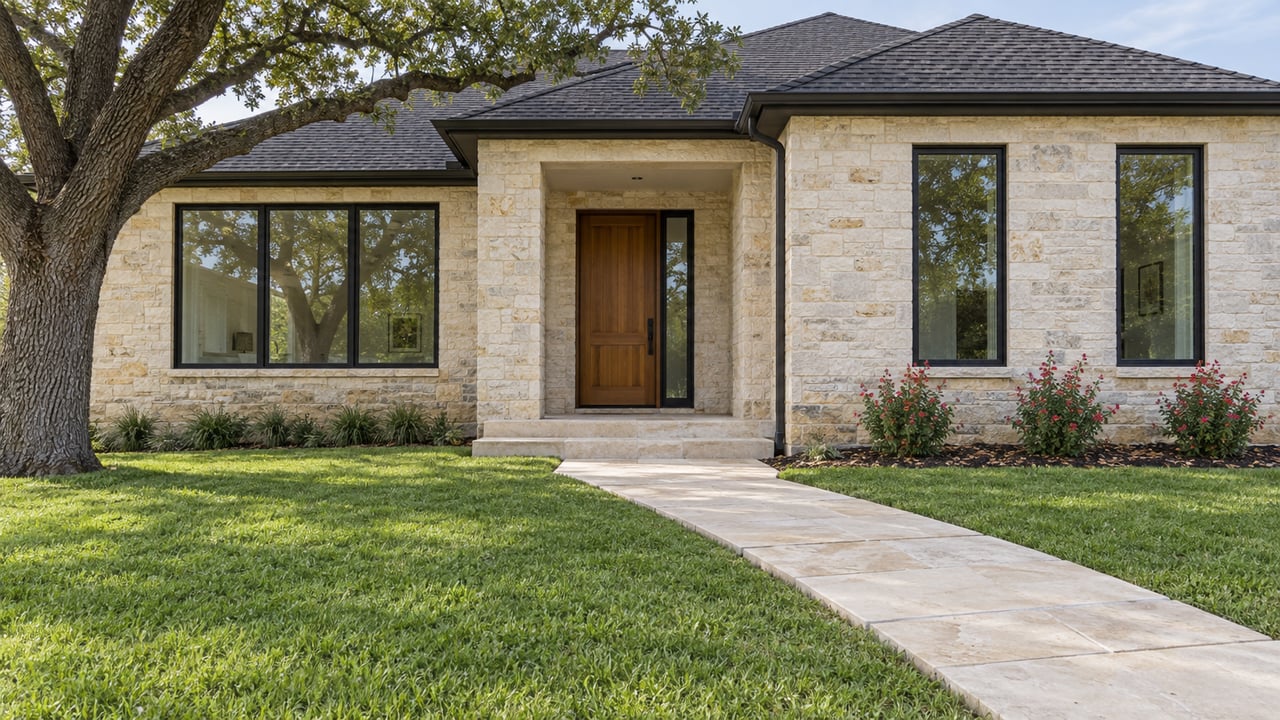
That scale matters because Monte Vista feels established and residential rather than compact and commercial. Its identity comes from the street fabric itself. You see that in the architecture, the lot-by-lot variation, and the way homes meet the sidewalk and street.
The city and neighborhood sources describe a wide mix of early-20th-century and Gilded Age architecture. Styles include Classical Revival, Tudor, Spanish Eclectic, Queen Anne, Craftsman, Hollywood Bungalow, Georgian, Moorish, and Victorian-era homes. For buyers and sellers, that variety is part of what gives Monte Vista its lasting appeal and distinct sense of place.
What makes the blocks feel active
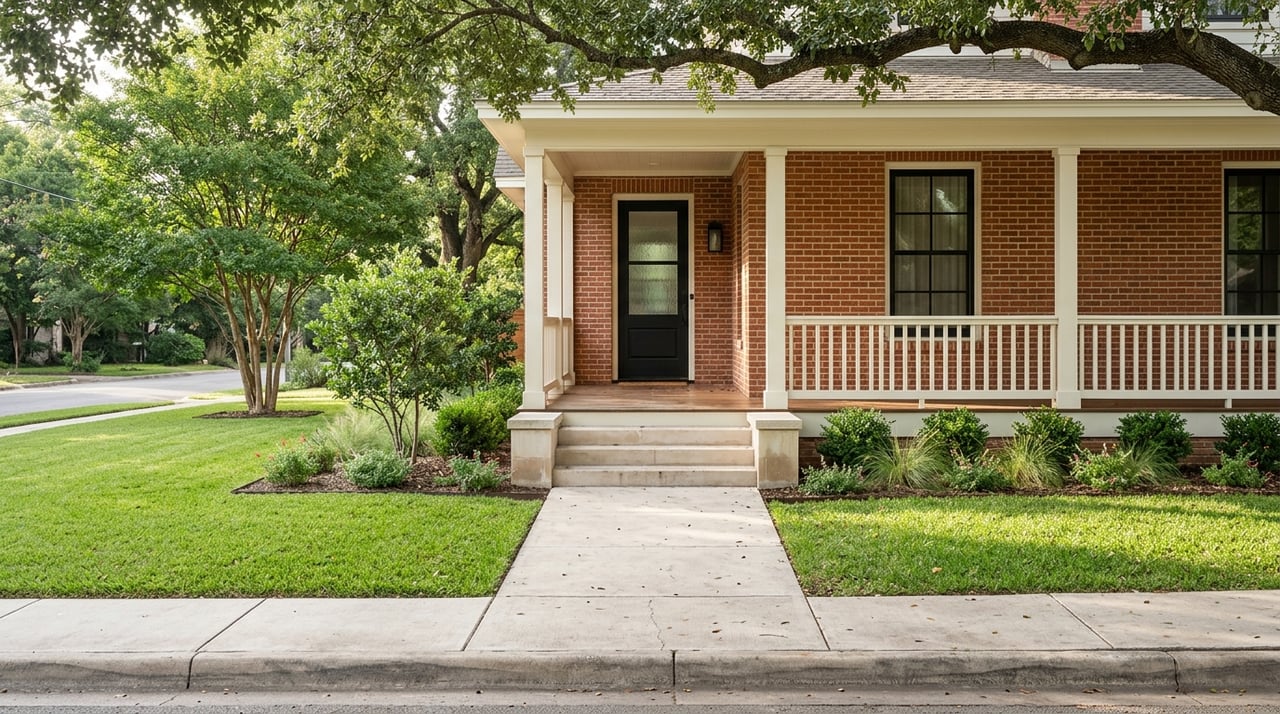
Monte Vista’s street life is shaped by design choices that encourage a visible, pedestrian-friendly rhythm. The city’s historic resources guide notes landscaped common areas, median parks on East Huisache and at Carlton and Shook, and a row of uniformly planted palm trees along West Woodlawn. Sidewalks and walkways also vary from lot to lot, which adds to the neighborhood’s layered, historic character.
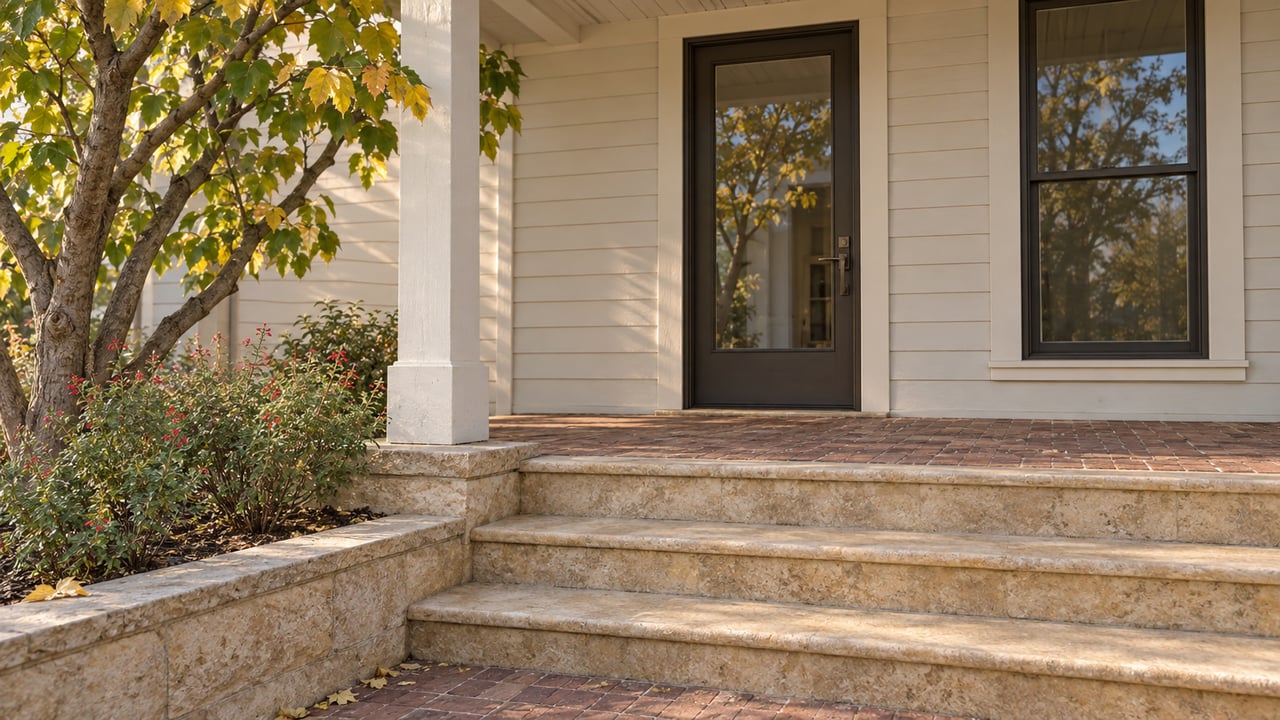
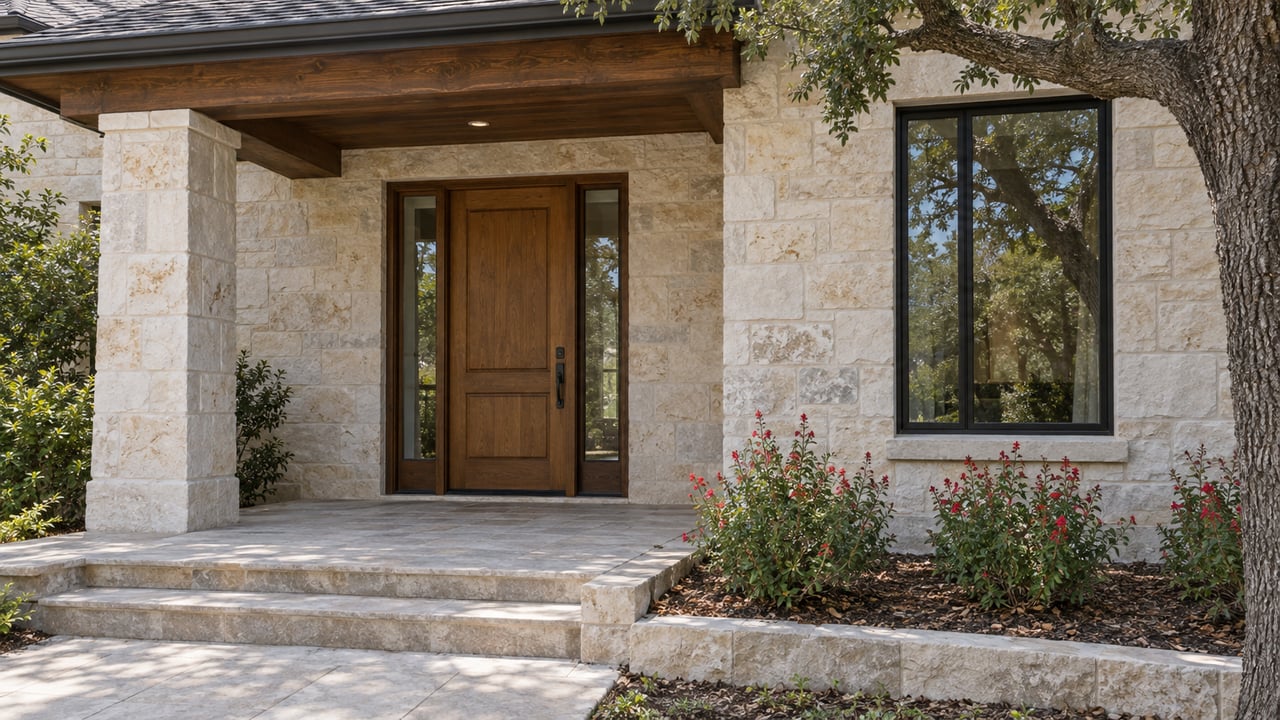
Historic front porches are another important detail. City preservation materials note that these porches were designed to engage the pedestrian streetscape, and that primary entrances typically face the street. In practical terms, that means the neighborhood often feels outward-facing rather than closed off.
This is one reason Monte Vista can feel lively even on a quiet day. You are not relying only on businesses to create activity. The homes, porches, sidewalks, medians, and common areas all contribute to the experience of being out in the neighborhood.
Morning rhythm in Monte Vista
A big part of Monte Vista’s daily routine starts close to home. Extra Fine, at 138 E Mistletoe Ave, is open daily from 7 a.m. to 4 p.m. That gives the neighborhood a clear early-day coffee and pastry anchor.
PhiloCoffee, at 606 W. French Pl., also reinforces the area’s café culture with service that runs from morning into the day, plus weekend hours. For many people, that kind of nearby stop helps define how a neighborhood lives from one day to the next. It supports short trips and familiar routines instead of constant driving across town.
For buyers considering Monte Vista, this is a useful quality-of-life detail. A neighborhood often feels more livable when your morning can begin a few blocks away rather than with a long errand list or a drive to a distant commercial center.
Outdoor time is part of the pattern
San Pedro Springs Park adds another layer to the neighborhood rhythm. Located at 1315 San Pedro Ave. in 78212, the park is the oldest park in San Antonio and includes trails, a pool, playground, and picnic facilities. It is open daily from 5 a.m. to 11 p.m.
That kind of access expands what everyday life can look like. A morning walk, a casual run, play time, or a quick reset outdoors can fit naturally into the day. In a central San Antonio location, that is a meaningful convenience.
Taken together, the neighborhood coffee options and nearby park access suggest a routine built around short local outings. You can picture a day that starts with coffee, includes time outside, and returns to the neighborhood again in the evening.
Evenings stay close to home
Monte Vista’s daily rhythm does not stop when the workday ends. Barbaro, at 2720 McCullough, offers weekend brunch, weekday dinner service, and late-night hours. It also identifies itself as a Monte Vista neighborhood favorite, giving the district a casual dining anchor that fits both daytime and evening plans.
This matters because some residential neighborhoods go quiet unless you leave them for dinner or a social outing. Monte Vista offers a different balance. It remains primarily residential, but it still has nearby places that help support a fuller day-to-night routine.
For many buyers, that balance is attractive. You get the character and scale of a historic neighborhood, but you are not cut off from easy local options when you want a relaxed meal or a familiar place to meet up.
Monte Vista is close to bigger destinations
Another part of Monte Vista’s appeal is how easily neighborhood life can connect with central-city destinations. The district does not depend on internal commercial density alone. Instead, it benefits from being close to downtown, Broadway-area destinations, and Pearl.
The Tobin Center for the Performing Arts, at 100 Auditorium Circle, is one nearby example. Its visitor guidance specifically tells guests to arrive early for downtown traffic, parking, security, and seating, which underscores its role as a regular night-out destination in the broader area.
The San Antonio Museum of Art, at 200 W Jones, is another nearby cultural anchor. The museum describes itself as a place that brings people together with art, and its visit information highlights walkability in the surrounding area.
Pearl, at 312 Pearl Pkwy, adds another layer to the lifestyle picture. Pearl describes its campus as walkable, with bicycle parking and nearby transit stops, and notes that it sits about 2 miles north of downtown and the Alamo. For Monte Vista residents, that helps place the neighborhood in a useful middle ground: close to major destinations, without being in the busiest core itself.
Why proximity shapes daily life
When a neighborhood sits near multiple activity centers, your routine can stay flexible. In Monte Vista, that might mean keeping most of your daily habits local while also having easy access to performances, museums, restaurants, errands, and downtown destinations.
The Central Library at 600 Soledad is part of that broader picture as well. It offers weekday hours and sits near several VIA routes, including 3, 4, 90, 95, 96, and 97. That kind of access supports the idea that Monte Vista connects naturally to downtown routines when you want them.
From a real estate perspective, this is one reason Monte Vista holds long-term interest. Buyers are often looking for both neighborhood character and practical access. Monte Vista offers a blend of preserved residential streets and proximity to some of San Antonio’s most established urban destinations.
Community life adds texture
Street life is not only about buildings and businesses. It is also about the recurring events and shared habits that give a neighborhood its social texture. In Monte Vista, the Monte Vista Historical Association calendar includes events such as the 4th of July Parade & Picnic, Easter Egg Hunt, 5K Fun Run & Walk, annual meeting, and Holiday Market.
Those events help illustrate that Monte Vista is not just a collection of significant houses. It is also an active neighborhood with recurring community touchpoints throughout the year. For residents, that can add continuity and familiarity to life in the district.
For buyers new to central San Antonio, this kind of event calendar can be especially helpful. It signals that the neighborhood has established traditions and an organized civic presence, which often contributes to a stronger sense of local identity.
Historic district rules and daily living
If you are considering a move to Monte Vista, you may also wonder how the historic district designation affects everyday ownership. The City of San Antonio says local historic districts are subject to legally enforceable Historic Design Guidelines. The city also notes that the designation does not change property use, but it does require review of exterior work.
That distinction is important. In day-to-day life, the historic district framework is less about changing how a home is used and more about guiding how exterior changes are reviewed. For many owners, that preservation structure is part of what helps protect the visual consistency and long-term character of the neighborhood.
In a place like Monte Vista, that stewardship is closely tied to value perception. The blocks feel distinctive because the built environment has been preserved with intention over time.
What Monte Vista feels like day to day
The most accurate way to describe Monte Vista is as a residential historic district with a strong physical identity and a practical, livable routine. Its streets are shaped by architecture, porches, medians, sidewalks, and mature landscaping details recognized by city preservation resources. Its daily rhythm is supported by nearby coffee, park access, dining, neighborhood events, and close-in access to downtown and Pearl.
For some buyers, that combination is the point. You are not choosing Monte Vista because it looks like everywhere else. You are choosing it because the neighborhood tells a story through its blocks, and because that story still works in everyday life.
If you are weighing a move to Monte Vista or preparing to sell a home here, neighborhood context matters. Historic homes and legacy properties deserve guidance that understands both lifestyle appeal and long-term value. To talk through Monte Vista with a local, high-touch perspective, connect with Cory Bakke.
FAQs
What is Monte Vista’s location in San Antonio?
- Monte Vista is a local historic district just north of downtown San Antonio, and neighborhood sources place it about 1.5 miles north of downtown.
What defines Monte Vista street life?
- Monte Vista street life is shaped by historic front porches, street-facing entrances, landscaped common areas, median parks, varied sidewalks, and a residential block pattern that encourages visible neighborhood activity.
What are some everyday stops near Monte Vista?
- Everyday Monte Vista-area stops include Extra Fine on East Mistletoe, PhiloCoffee on West French Place, Barbaro on McCullough, and San Pedro Springs Park on San Pedro Avenue.
How does San Pedro Springs Park fit Monte Vista living?
- San Pedro Springs Park adds convenient outdoor access with trails, a pool, playground, picnic facilities, and daily hours from 5 a.m. to 11 p.m.
How close is Monte Vista to Pearl and downtown destinations?
- Monte Vista is close to central-city destinations, with Pearl positioned about 2 miles north of downtown and the Alamo, and downtown cultural and civic destinations nearby.
How do Monte Vista historic district rules affect homeowners?
- According to the City of San Antonio, Monte Vista’s historic designation does not change property use, but exterior work is subject to review under Historic Design Guidelines.