In the summer of 2021, the owner of a two-story Tudor Revival at 301 E Rosewood asked the Historic and Design Review Commission for permission to install a four-foot wrought iron fence across the front yard. It was a modest request by suburban standards. The commission denied it, citing Guideline 2.B.i on the scale, transparency, and character of front-yard boundaries in the district. The limestone retaining wall stayed. The streetscape did not change.
That case, quiet as it was, is a useful lens on Monte Vista. Buyers touring the district often ask why the blocks feel so consistent decade after decade while similar-vintage neighborhoods elsewhere in San Antonio have drifted. The answer is not sentiment. It is a review process that governs almost every exterior decision on almost every house, and that process is the reason a home here trades at a district premium.
The Premium Has a Mechanism
According to Orchard's 30-day data as of mid-2026, the median sale price in Monte Vista sits near $652,000, with a median 26 days on market and a sale-to-list ratio around 93 percent. That is roughly twice the San Antonio Board of REALTORS® citywide median of $316,850 for March 2026. Buyers paying that spread are not only paying for oak canopy and 1920s millwork. They are paying for enforced provenance, and the Certificate of Appropriateness is the instrument that enforces it.
For sellers, this reframes how the review process should be presented at listing. For buyers, it changes what belongs on the diligence checklist.
Two Tracks, and They Are Not Equivalent
The City of San Antonio's Office of Historic Preservation routes every exterior project in a locally designated historic district into one of two channels.
Administrative COA. Reviewed by OHP staff without a public hearing. Reserved for in-kind repairs, minor alterations, and items enumerated in UDC § 35-611, including certain sidewalk work, fence swaps behind the front facade plane using appropriate materials, and reasonable awning color changes. Typical turnaround runs one to four weeks after a complete submittal.
HDRC application. Reviewed by the eleven-member Historic and Design Review Commission at 1901 S. Alamo. Public notice is required. Neighbors and civic groups may speak. Timelines run one to two months to reach a hearing, and revisions can push a decision to two to four months. Demolition and new construction routinely run three to six months from concept to final approval, sometimes longer. Layered on top of that, HDRC review typically adds 30 to 60 days to the building permit that follows.
Interior work is a separate matter. Under the city's guidelines, interior alterations are not reviewable by OHP or HDRC, though a city permit through Development Services may still be required.
The bright line between the two tracks is "in-kind." A roof replaced with matching material and profile is usually administrative. A roof that changes color, material, or slope typically is not.
What Actually Triggers a Full Hearing
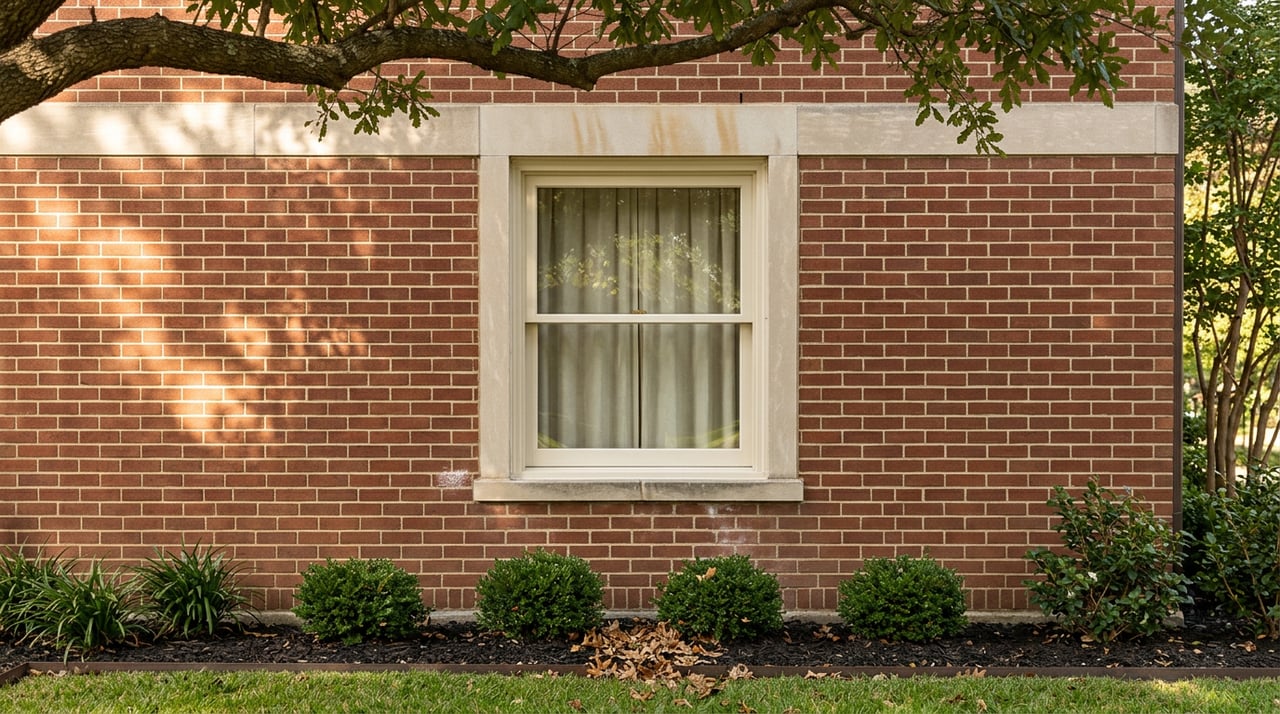
Reading recent HDRC minutes is the fastest way to calibrate expectations. From an August 2024 case, the staff conditions on a window replacement read almost like a specification sheet:
White manufacturer's color is not allowed, and color selection must be presented to staff. There should be a minimum of two inches in depth between the front face of the window trim and the front face of the top window sash.
That two-inch recess requirement is the kind of detail that turns a straightforward vendor quote into a two-round submittal. It is also the kind of detail that reveals itself only after a contract is signed and a homeowner has ordered materials.
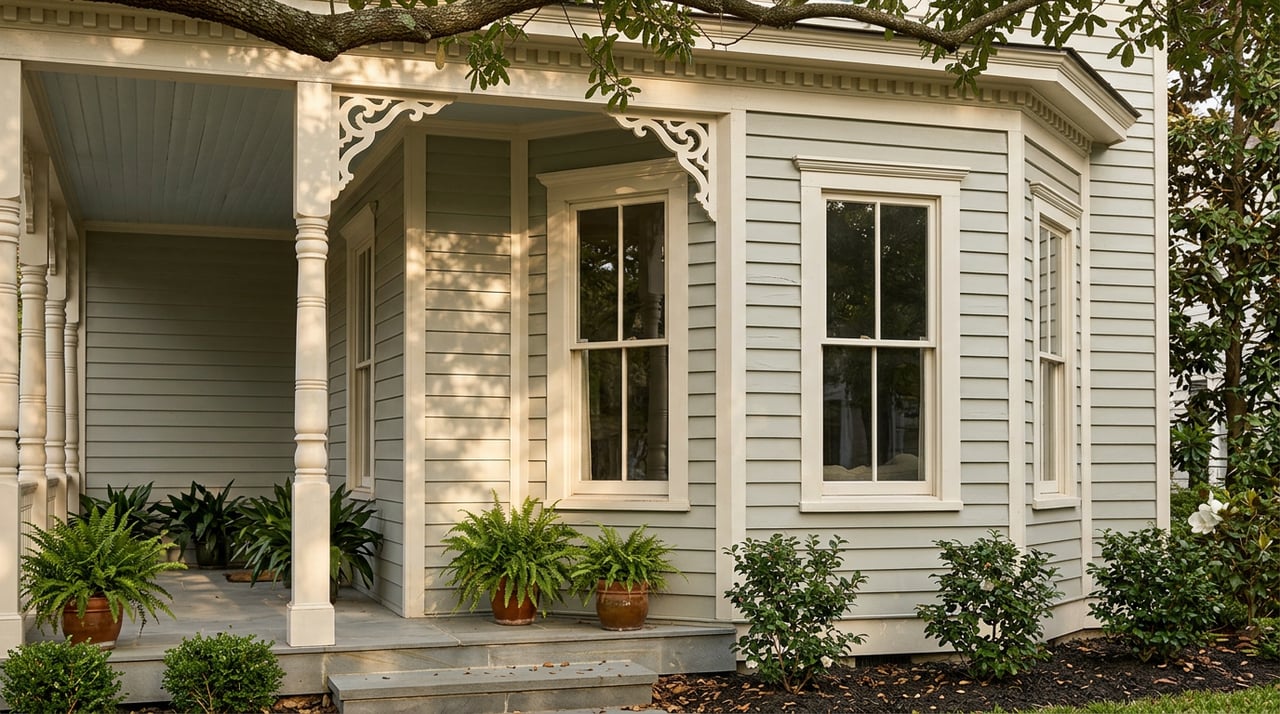
Other patterns show up repeatedly in Monte Vista and neighboring district cases. Battered skirting on a raised bungalow must be retained and matched with fully wood siding of the same profile. Front-yard fencing must respond to the historic character of the block. Attic vents and door openings should be preserved rather than converted. Standing seam metal roofs and non-original shed roof profiles typically require a full hearing, not staff sign-off.
Realistic Planning Ranges
The following ranges reflect typical cycles rather than best-case ones, and they assume a complete submittal on the first pass.
| Project scope | Track | Total time from application to work start |
|---|---|---|
| Roof replacement, in-kind material | Administrative | 4 to 8 weeks |
| Window replacement, in-kind | Administrative | 4 to 10 weeks |
| Window replacement, non-in-kind | HDRC | 2 to 4 months |
| Fence, wall, or front-yard site element | HDRC | 2 to 4 months |
| Porch restoration or minor addition | Mixed | 8 to 16 weeks |
| Major addition or new carriage house | HDRC | 3 to 6 months+ |
| Demolition or significant new construction | HDRC | 3 to 6 months+ |
Then add two to eight weeks for the building permit through Development Services once the COA is in hand.
These are calendar realities. A buyer who signs a contract in March expecting to reglaze the front elevation before summer school pickup is planning against the wrong calendar.
The Role of MVHA, and Why It Is Worth a Phone Call
The Monte Vista Historical Association maintains its own Architectural Review Committee. It meets on the first Monday of each month at the MVHA office next to the Landa Library at 6:00 pm. The ARC is chaired by Ryan Reed, and it is reachable through [email protected] or 210-570-3102.
The neighborhood ARC review is not a legal requirement. The City suggests it as a courtesy to neighbors, and MVHA notes that early ARC engagement tends to produce faster, smoother, and less expensive approvals downstream at OHP and HDRC. The practical value is that ARC members read Monte Vista cases every month and can flag design choices likely to be revised or denied before an applicant has paid an architect to draw them.
Skipping the ARC does not disqualify a project. It usually just extends the schedule.
What This Means at the Closing Table
For sellers, the practical implication is straightforward. A binder of prior COAs and administrative approvals is a diligence document. It answers the buyer's inspector before the inspector asks. It removes the "was this window replacement approved" question from the response period. On a $650,000 to $2 million transaction, resolving that ambiguity early can preserve both price and timeline.
For buyers, three questions belong on every Monte Vista offer worksheet:
- What was permitted, and what was reviewed? A property with visible recent exterior work but no OHP record on file is worth asking about. OHP staff can be reached at 210-207-0035 and will confirm what has been through their office.
- What have you always meant to do? Sellers often disclose deferred projects with a rough budget. That budget should be re-priced against the actual review path. A window replacement priced at $18,000 assuming vinyl becomes something else when the specification requires fully wood units with a two-inch sash recess and non-white color selection.
- Is the change I want to make administrative or HDRC? If the answer is HDRC, the renovation calendar starts before closing, not after.
The San Antonio market in 2026 has settled into a more balanced rhythm, with inventory building citywide and price growth modest. In that environment, the neighborhoods that hold value best are the ones where the housing stock cannot be commoditized. Monte Vista's review process is the reason its stock cannot be commoditized. The friction is the feature.
FAQ
Does every exterior change require review? Most changes visible from the public right of way that affect character-defining features do. In-kind repairs and a defined list of minor alterations in UDC § 35-611 may qualify for administrative approval by OHP staff. When in doubt, OHP staff at 210-207-0035 can confirm before materials are ordered.
Can I renovate the interior freely? The Office of Historic Preservation and HDRC review only exterior modifications on designated properties. Interior alterations are not reviewable by OHP, though a Development Services building permit may still be required depending on scope.
What if HDRC denies my application? Applications can be revised and resubmitted, or advanced with additional information. The commission also considers public testimony, so cases sometimes evolve during the hearing itself. Early engagement with OHP staff and MVHA's ARC is the most reliable way to reduce the odds of denial.
Are there budget contingencies unique to historic renovations? Fifteen to thirty percent contingency is common in historic work to absorb hidden conditions such as rot, structural surprises, or specification changes required during review.
If you are weighing a purchase in Monte Vista, preparing a legacy home for market, or scoping a renovation that needs to hold both its architecture and its appraised value, the review layer belongs in the conversation from the first walk-through. Cory Bakke works with owners and buyers through exactly these questions in Monte Vista and San Antonio's other historic central neighborhoods. Request a Private Home Valuation to begin.