
Are you wondering what your Terrell Hills home would sell for right now? Getting the price right feels high stakes, especially when your property has character, history, or a standout lot. You want a number that attracts serious buyers without leaving money on the table. In this guide, you’ll see how a Comparative Market Analysis gives you pricing clarity, tailored to Uptown Central and Terrell Hills. Let’s dive in.
CMA basics in Terrell Hills
A Comparative Market Analysis, or CMA, is a data-backed estimate of a property’s likely market value. An agent prepares it by comparing your home to recent sales, pending contracts, and current listings that align with your home’s size, condition, and location. The goal is a recommended price range that fits today’s demand.
A CMA is not an appraisal. Appraisals are formal valuations by licensed appraisers and are required for mortgage lending. CMAs guide pricing and marketing decisions, while appraisals adhere to strict standards and rely heavily on closed sales. Automated valuations you see online can be helpful for quick checks, but they often miss the mark for unique or high-end homes because they underweight condition, upgrades, and architectural pedigree.
In Texas, agents follow Texas Real Estate Commission rules for advertising and representation. Local MLS data from the San Antonio Board of REALTORS helps shape a CMA, and public records from the Bexar County Appraisal District are used to verify parcel details and tax history. Your CMA should bring all of this together in a clear, transparent way.
Build a CMA step by step
A strong CMA follows a consistent process and adapts to the Terrell Hills market.
1) Define the purpose
Set the target. Are you choosing an initial list price, updating after a few weeks on market, or planning an offer strategy as a buyer? In Terrell Hills, decide if you want speed to contract or to test the top of the market. That choice guides how aggressive your list price should be within the range.
2) Choose the time window
In a smaller, higher-value area like Terrell Hills, there may be fewer recent sales. Look back 6 to 12 months to capture enough data. Weight the most recent sales higher and adjust older sales for any clear market movement.
3) Set the map
Start with the same block or within 0.25 to 0.5 miles, staying inside Terrell Hills city limits where possible. If inventory is thin, consider nearby, comparable neighborhoods like Alamo Heights or Olmos Park, and note why they make sense. Use real boundaries such as major streets and topography to keep location truly comparable.
4) Match the fundamentals
Focus on the highest-impact factors first. Try to match living area within roughly 10 to 15 percent. Line up bedroom and bathroom counts, and weigh full baths more heavily than half baths. Compare lot size and usable outdoor space, along with age, construction quality, and remodel level. Kitchens, bathrooms, systems, roof, and windows can shift value and buyer interest.
5) Account for architecture and pedigree
At higher price points, architectural pedigree matters. Custom architect design, historic provenance, and notable materials can create a scarcity premium. Include comparable sales with similar pedigree when you can, and explain any premium when you cannot.
6) Factor in market context
Review days on market and whether a comp sold after price reductions or with seller concessions. Consider cash purchases versus financed deals. Note any seasonal effects that may influence demand in the period you are analyzing.
7) Make transparent adjustments
Use a clear adjustment grid or narrative. Start with physical differences like square footage, lot size, and beds and baths. Then adjust for condition and upgrades, followed by location nuances and time. In limited-comp situations, document qualitative reasoning so buyers and appraisers can follow your logic.
What drives value here
In Terrell Hills, three elements regularly shape outcomes for higher-priced homes.
Lot size and site value
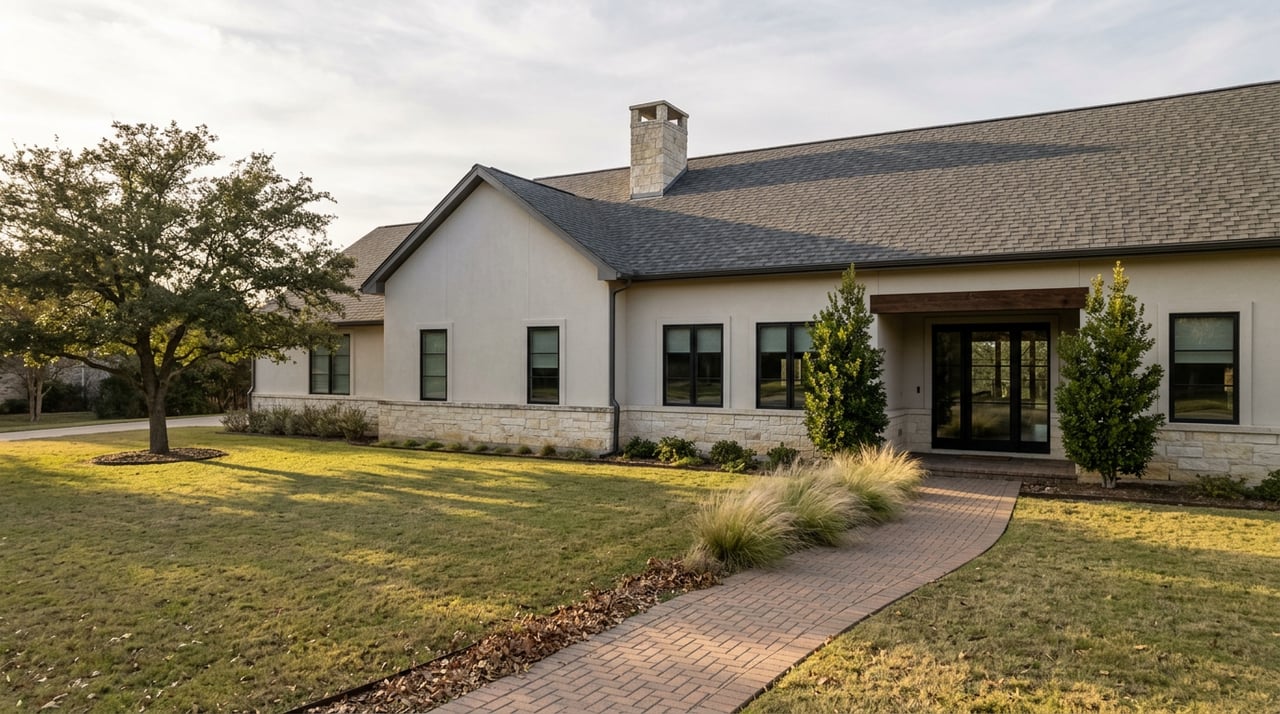
Larger or more usable lots can command a premium because they allow for pools, guest suites, or added privacy. Shape, topography, tree canopy, and buildability influence real utility, not just raw square footage. A slightly larger lot that supports a pool or addition can be more valuable than a much larger lot with limited use. When comps diverge on lot size, translate that difference into a clear adjustment supported by recent nearby sales and verified parcel data.
Interior updates and condition
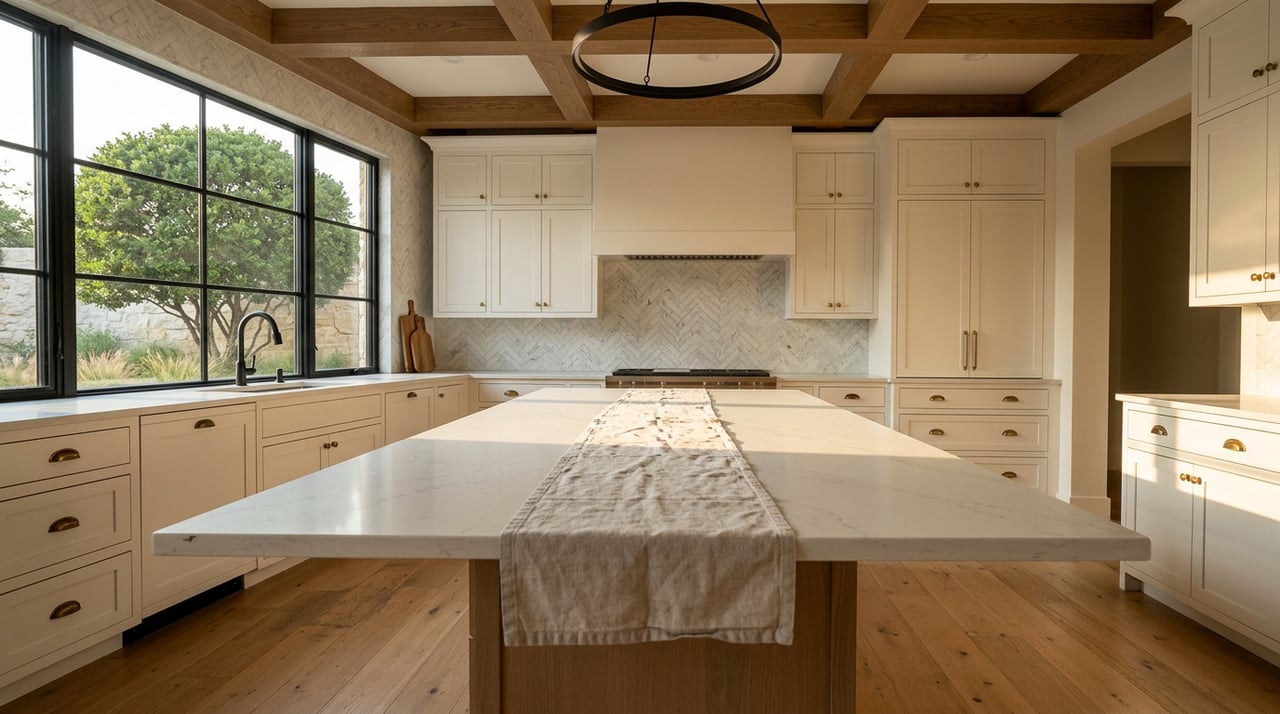
High-end buyers expect modern systems and refined finishes. A new roof, updated HVAC, and a high-quality kitchen and baths can speed up the sale and support stronger pricing. Separate market-standard updates from specialty luxury features. Itemize what is new, when it was completed, and the scope of work so the CMA reflects true value rather than a generic price per square foot.
Architectural pedigree and design
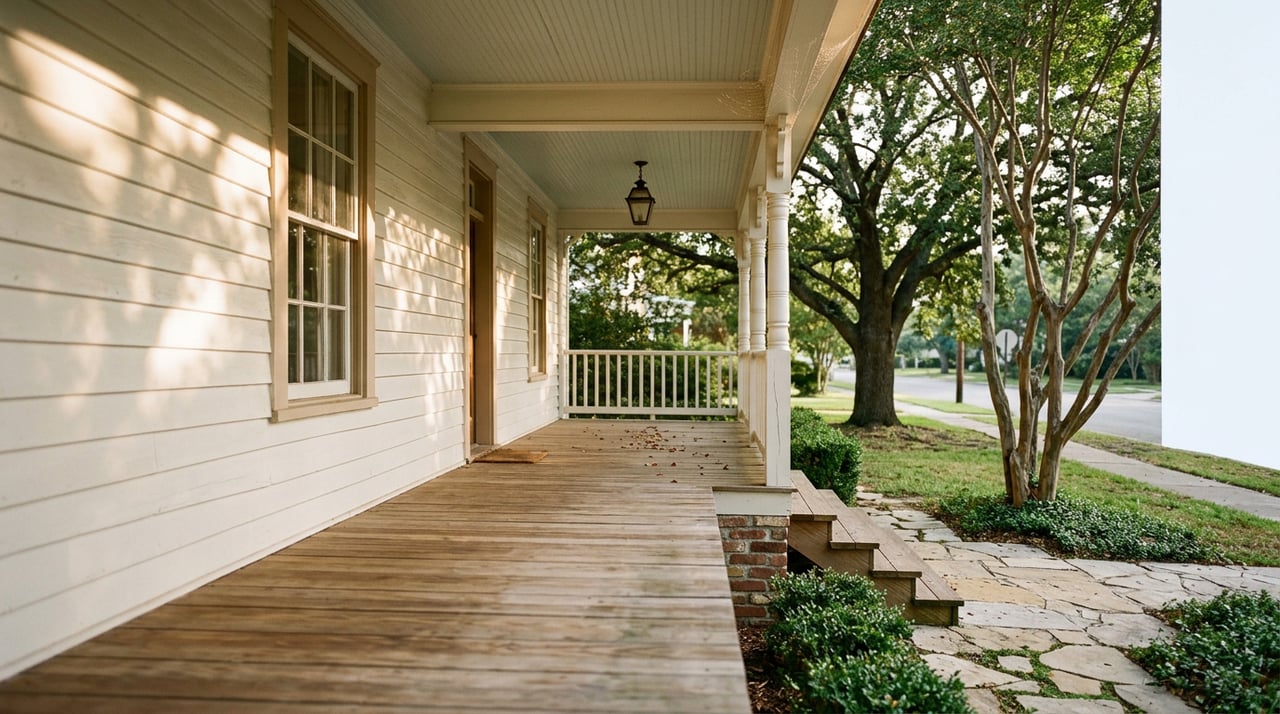
Historic or custom design can shift value beyond basic metrics. Buyers often pay for story, rarity, and craftsmanship in Terrell Hills and nearby prestige submarkets. When direct comps are scarce, use the nearest stylistic matches from comparable neighborhoods and explain the scarcity premium so buyers understand the reasoning.
Pricing, days on market, and leverage
Overpricing tends to reduce early showings, extend days on market, and weaken your negotiating position. Buyers start to assume price cuts are coming, which can lead to lower offers. Value-based pricing, grounded in a strong CMA, usually increases early interest and can create multiple-offer dynamics that preserve leverage.
In luxury niches, small price differences can change buyer perception quickly. The first 30 days on market are crucial. A well-documented CMA, backed by recent local sales, aligns your list price with what qualified buyers are prepared to pay right now.
Tactical pricing guidance
Use your CMA to set a clear market range, then pick a list price that reflects your goal. If speed matters, position the price near the competitive edge of the range. If you want to test the top, be ready to adjust quickly if the market does not respond. Update your CMA if new comps close or if a key competing property goes under contract. Keep your adjustment notes ready for buyers and appraisers so everyone understands the logic behind the price.
Practical CMA checklist for Terrell Hills
Use this quick guide when preparing or reviewing a CMA.
- Data to verify: closed sales, pending and active listings, days on market, sale-to-list ratios, parcel and lot size, BCAD records, seller disclosures, inspection reports, and architectural provenance.
- Comp selection: prioritize 0.25 to 0.5 miles within Terrell Hills; expand to nearby comparable neighborhoods only when necessary, with clear justification.
- Timeframe: 6 to 12 months for high-end or low-turnover segments, with heavier weight on the most recent sales.
- Fundamentals: target GLA within 10 to 15 percent; document lot size differences and functional use.
- Red flags: multiple price reductions, non-market inclusions, investor or cash purchases that distort price, and major renovations completed after the recorded sale.
- Local context: proximity to parks, municipal services, and established neighborhood amenities; confirm any zoning or easement items that affect utility or expansion.
When to consider an appraisal
If your home is highly unique, if lot and design premiums are hard to quantify, or if you need formal support for a specific price target, a licensed appraisal can be a smart complement to the CMA. In limited-comp situations, an appraiser’s standardized approach and market-supported adjustments can help validate your strategy and reduce risk later in escrow.
Work with a valuation-led advisor
The best pricing decisions blend neighborhood knowledge with rigorous valuation. In Terrell Hills, that means reading the story behind each comp and documenting why your home sits where it does in the market. If you want a private, data-driven assessment and a clear pricing plan, connect with Cory Bakke for a confidential conversation and tailored next steps.
FAQs
Is a CMA as reliable as an appraisal for Terrell Hills pricing?
- No. A CMA is an agent’s estimate for pricing and marketing, while an appraisal is a formal valuation by a licensed appraiser and required for most loans.
How far back should I look for sold comps in Terrell Hills?
- For higher-end or low-turnover segments, review 6 to 12 months of sales and weight the most recent ones more heavily in your analysis.
How do I value a large lot or architect-designed home with few comps?
- Use the closest stylistic and location matches, document a scarcity premium, and consider adding an appraisal if you need formal support.
If my home is renovated, how does a CMA capture that value?
- Itemize upgrades by scope and recency, compare to similarly updated sales, and use local cost and market feedback to justify dollar adjustments.
Will a lower list price always sell faster in Terrell Hills?
- Attractive pricing often increases early interest and can speed up a sale, but the right price depends on your goals; a CMA helps set the target that fits your strategy.