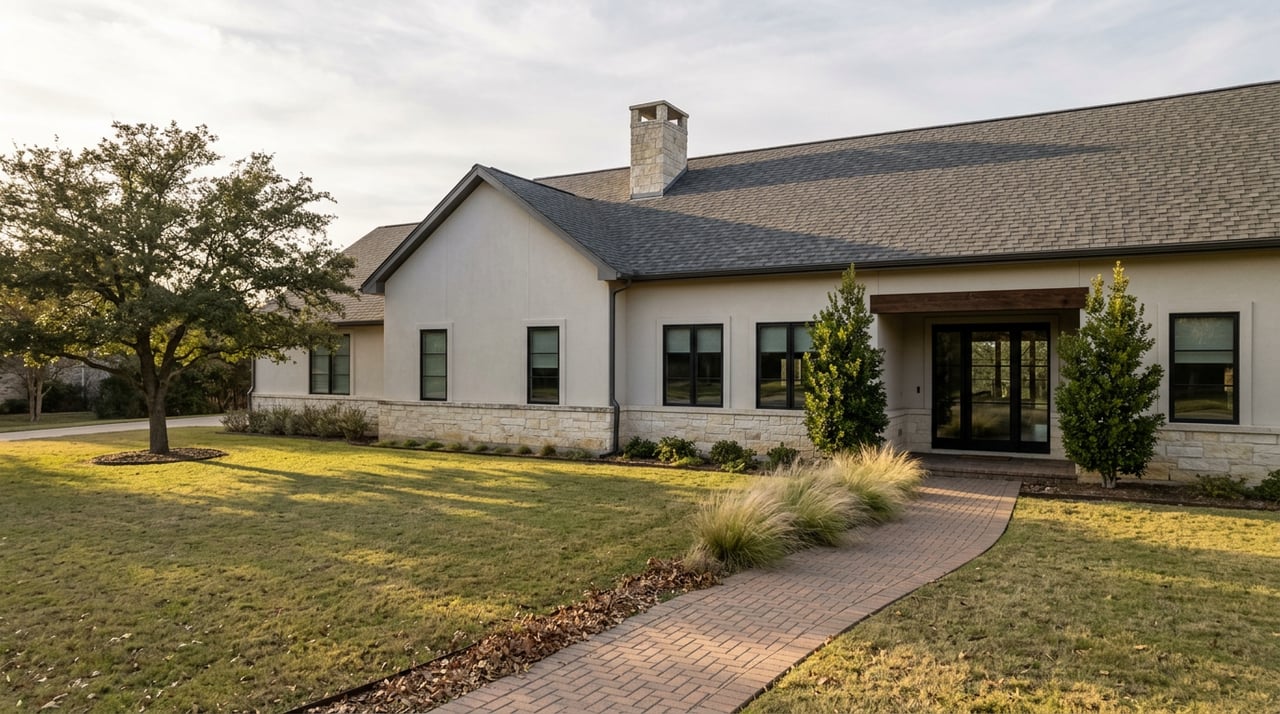
Every Fourth of July, Terrell Hills closes Eldon and Geneseo, lines the parade up along Ivy Lane, and lets the whole city walk down the middle of its own streets. Kids ride bikes decorated with crepe paper. Neighbors haul folding chairs to the curb hours early. Nobody drives this route. For one morning a year, the entire city becomes a sidewalk.
That civic tradition is part of the context for the city's sidewalk investment this spring.
In April, the Terrell Hills City Council voted unanimously to approve a $2.4 million beautification project for Broadway Street: wider pedestrian walkways, new heritage oak trees, and custom lighting fixtures. Council agendas since then have carried a recurring line item, a Broadway streetscape project update, sitting next to routine business like budget review and public comment. The project is real, funded, and moving through the standard municipal process one meeting at a time.
What's worth noticing is what this project is not. It is not a retail play. Terrell Hills is 1.6 square miles of almost entirely residential frontage, with its own police and fire departments and no commercial core of its own to speak of. Cities usually widen sidewalks because a strip of new restaurants or shops is already pulling foot traffic and the infrastructure needs to catch up. That's the order most beautification dollars follow: the businesses arrive first, the city builds around them second.
Terrell Hills takes a different approach, and its calendar helps explain why.
A City That Was Already Walking
The reason a $2.4 million streetscape budget doesn't need a new restaurant to justify it is that Terrell Hills has spent decades building an entire civic life that runs on foot traffic, not car traffic. None of it happens on Broadway yet. All of it will, eventually, touch the same stretch of sidewalk the city just voted to rebuild.
Here's what's already on the books, most of it long before anyone drew up a lighting plan:
| Event | What it actually requires | Who runs it |
|---|---|---|
| Terrell Hills Home Tour | Self-guided walk through seven private gardens and architecturally notable homes | Alamo Heights-Terrell Hills Garden Club, founded 1932 |
| Fourth of July Parade & Block Party | Parade lineup down Ivy Lane, Eldon and Geneseo closed to cars | City of Terrell Hills |
| Annual spring cleanup | Volunteers on foot collecting debris and planting native landscaping across city parks | City of Terrell Hills |
| Community-police gathering | Families with lawn chairs, food trucks, live entertainment | Terrell Hills Police Department |
| Crestwood Park calendar | Easter Egg Hunt, Holiday Parade, photos with Santa | City of Terrell Hills, Crestwood Park |
The Garden Club alone has been organizing walking tours of Terrell Hills homes since before the city itself was a decade old. Proceeds from the current tour go to the Terrell Hills Green Spaces Fund, which means the money that plants and maintains the city's public greenery comes, in part, from an event that only works if people are willing to walk block to block on foot. This spring's cleanup drew more than 200 residents, who collected two tons of debris and put in new native landscaping across the city's parks, again on foot, again without much sidewalk infrastructure to speak of beyond what residential streets already offered.
None of this required Broadway. These events show how residents have incorporated walking into Terrell Hills' civic life.
Infrastructure Reflecting Existing Behavior
The usual civic logic goes: build it and they will come. Terrell Hills offers a different sequence: residents have gathered and walked for decades, and the city is investing in infrastructure that supports those activities.
That distinction matters if you live here, because it changes what the project is actually for. The scope includes pedestrian features: heritage oaks and pedestrian-scaled lighting complement activities such as the parade, the garden tour, and walks to Crestwood Park.
The project is public spending that has appeared on council agendas alongside budget review and public comment. Those recurring updates place the investment within the city's routine public process.
What to Expect on the Ground This Fall
If your street isn't one of the ones under discussion, you'll likely notice this the way most residents notice public works here: through the city's own news and notices, where updates on permitting, bidding, and construction phasing get posted as they're finalized. The council has not published a block-by-block construction calendar as of this writing, and given how the project has moved through incremental agenda items since April, the safest read is that residents should expect signage and crews appearing in phases over the coming months rather than all at once.
What you can count on is that whatever gets built will sit directly underneath the events already happening around it. The next Home Tour will route past new heritage oaks that weren't there for the last one, and the next Fourth of July crowd gathering near Broadway will do it under lighting the city just finished installing.
The Broadway streetscape project reflects the walking traditions in Terrell Hills' civic calendar. Residents walk to the parade, the garden tour, and the parks they spent a Saturday cleaning up. The planned pedestrian features will support those activities.
If you already know this rhythm because you live inside it, you don't need a real estate agent to tell you why Terrell Hills works the way it does. But if you're weighing what a home on one of these streets is actually worth once you factor in the kind of civic life that comes with it, that's a conversation Cory Bakke has with residents and buyers here regularly, informed by decades in these specific blocks rather than a general sense of the neighborhood. You can find more on how she works with Terrell Hills homeowners and buyers on her Terrell Hills neighborhood page.