Every buyer looking at Oak Park-Northwood starts with the same question: which side of the line am I on. Alamo Heights ISD or North East ISD. The boundary runs mid-block on some streets in this neighborhood, so two houses across the street from each other can feed into different districts entirely, and agents field the question on nearly every showing. It's a reasonable place to start.
It's the wrong place to stop. The line that actually determines what your inspector finds, what your seller has to disclose, and what you end up negotiating over doesn't show up on any school map. It's the year the house was built. In a neighborhood where construction dates run from 1948 to 2014, that single fact splits the housing stock into two very different transactions, and most buyers never ask about it until the inspection report is already in their inbox.
The Question Everyone Asks First
The AHISD and NEISD boundary through Northwood has no clean subdivision line. Interior streets like Myrick and Audrey sit on the quieter side of the neighborhood, while the Nacogdoches Road corridor carries more commercial traffic. Buyers on the AHISD side are paying into a district with an AHISD tax rate of roughly $0.9572 per $100 of value, according to the most recently published Bexar County tax table, while NEISD-zoned blocks run closer to $0.9822 per $100. The NEISD feeder pattern for most of the neighborhood runs Oak Meadow Elementary to Jackson Middle School to Churchill High School.
That difference is real, and it's worth verifying by exact address before you write an offer. But it's also the question every buyer already knows to ask. It doesn't explain why a 1958 ranch two streets over needs a sewer scope while a 1988 ranch on the same block needs a re-pipe instead. That gap comes from a different line entirely.
The Question Nobody Asks
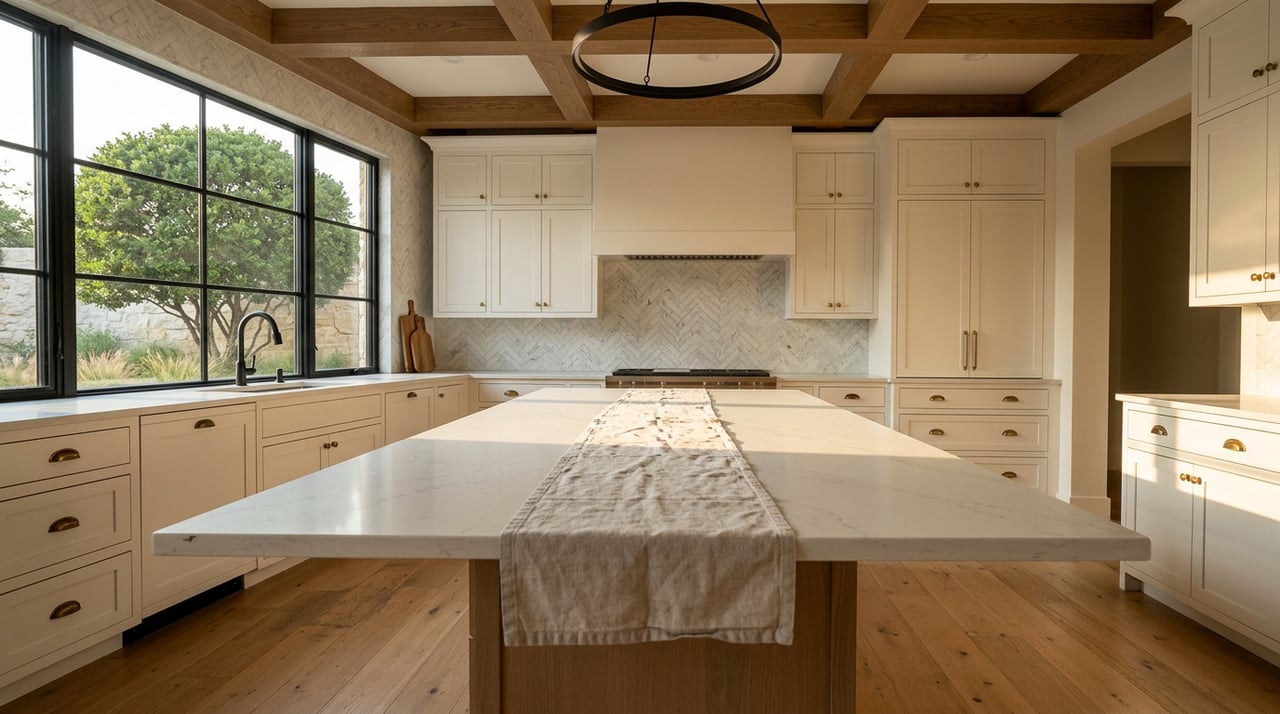
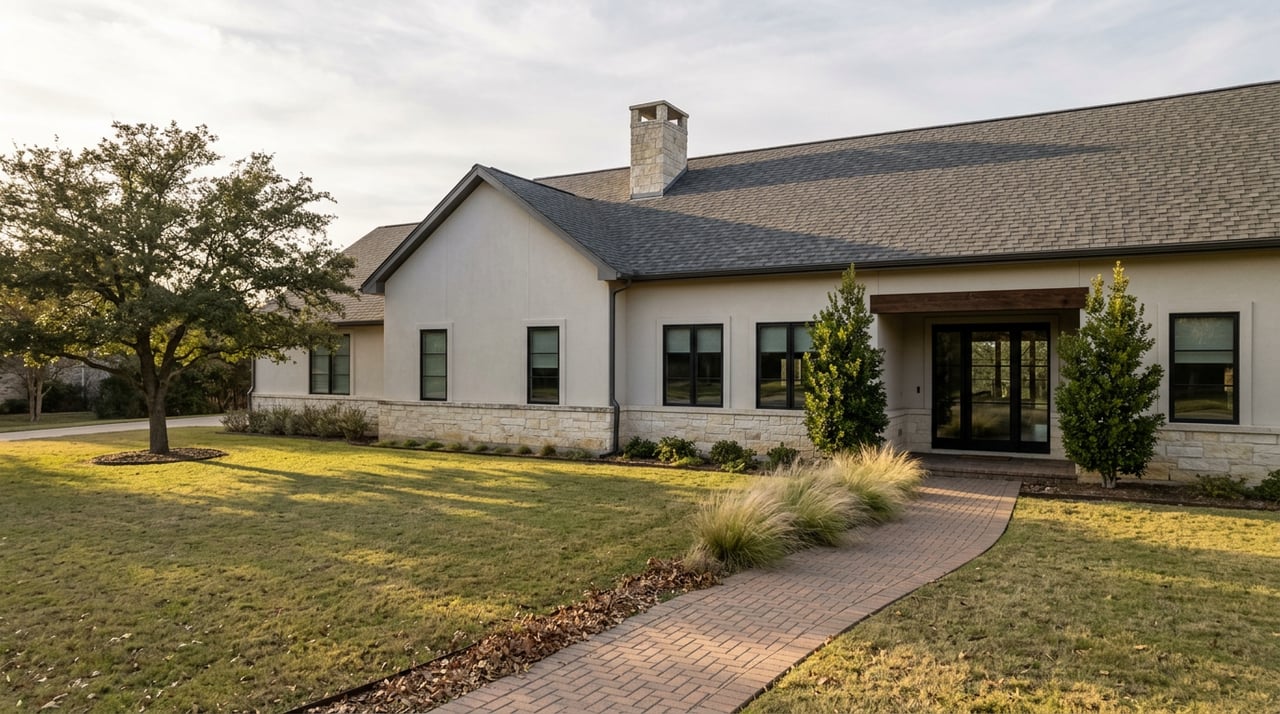
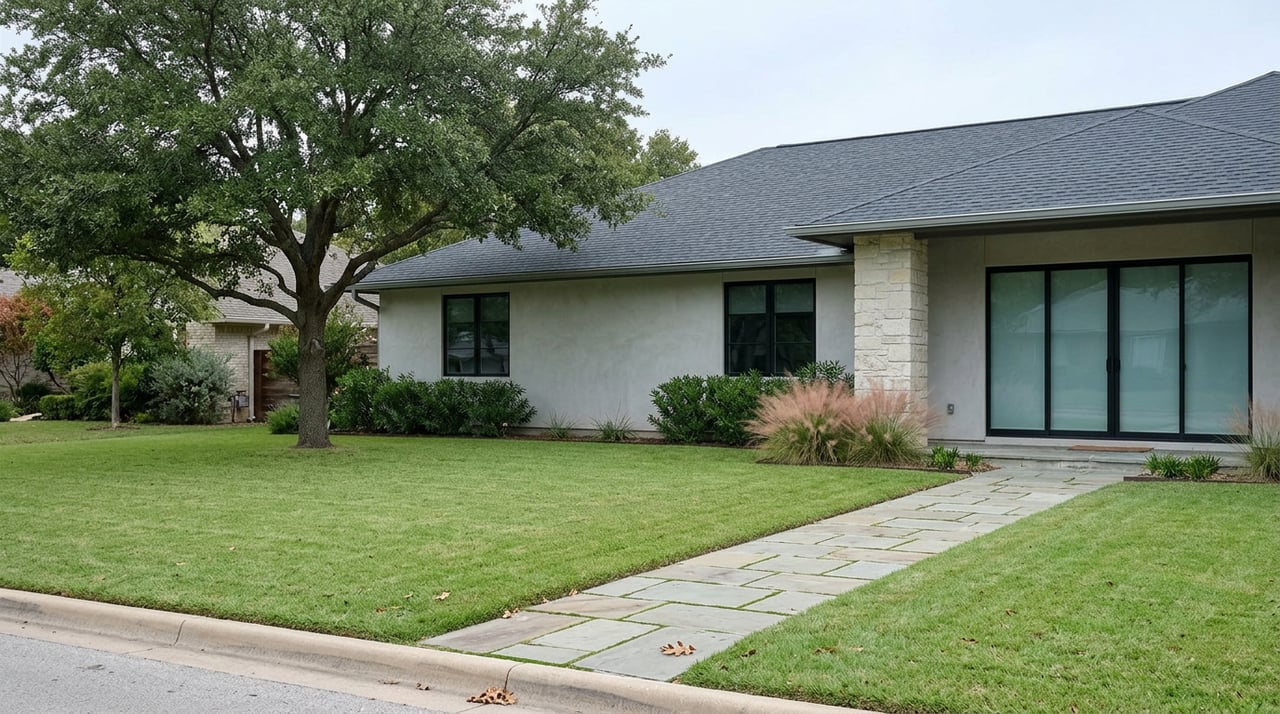
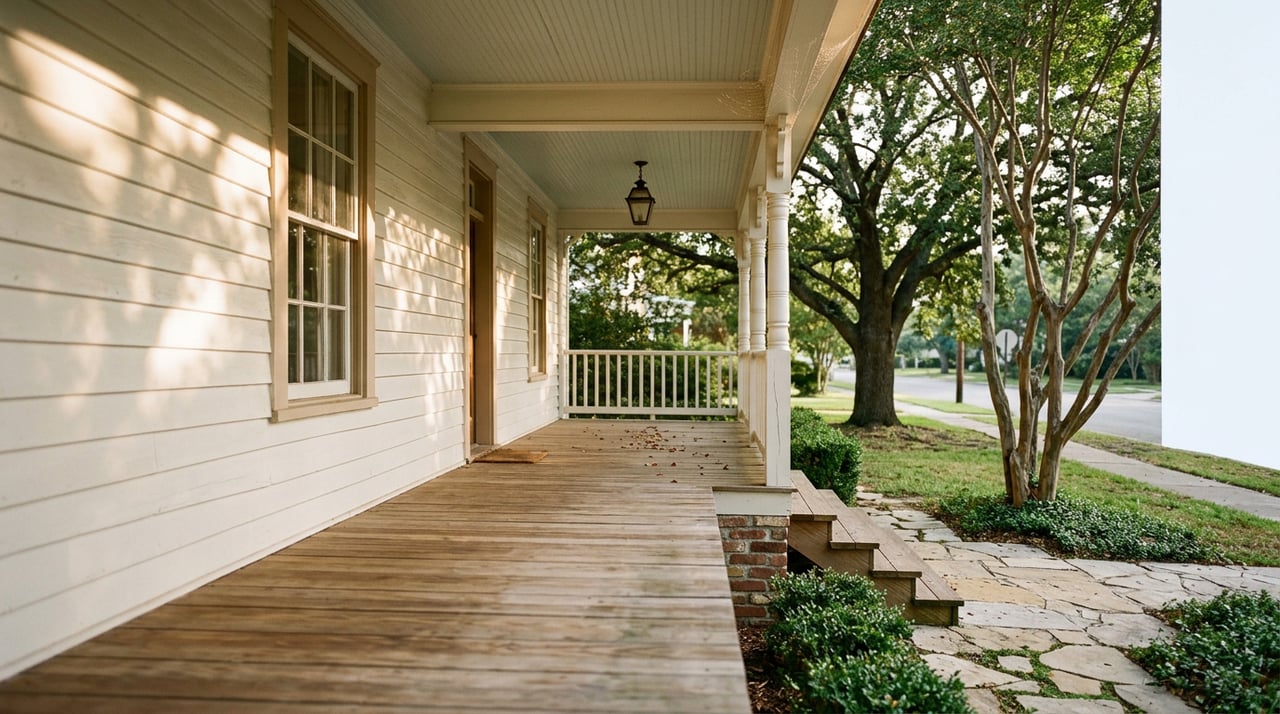
Northwood's housing stock isn't one era pretending to be uniform. It's several decades stacked on top of each other. The bulk of the neighborhood is single-story ranch construction from the 1950s through the 1970s, with a smaller pocket of Spanish Revival design closer to the Alamo Heights border and a thinner layer of custom rebuilds from the 2000s and 2010s filling in the gaps. Prices track that spread: original-condition ranches start in the high $200,000s, while fully renovated or custom-built homes on the same streets reach into the $700,000s.
What buyers underwrite is the price gap between those two ends. What they miss is that the systems inside the house changed just as much as the finishes did. A house built in 1958 and a house built in 1988 are standing on different kinds of foundations, running different kinds of pipe, and aging on completely different failure schedules. That's the line that shows up in your option period, not on the school district map.
Two Houses, Two Decades, Two Inspection Reports
| Build Era | Likely Foundation | Likely Plumbing | What the Inspection Tends to Flag |
|---|---|---|---|
| Pre-1970 (1950s ranch stock) | Pier-and-beam, common in Texas construction before the 1960s | Cast iron drain lines | Root intrusion, corrosion in drain lines, pier or beam shifting on expansive clay |
| 1970s-1990s | Concrete slab, standard for most later San Antonio construction | Copper supply lines | Pinhole leaks from hard water corrosion, slab cracking from soil movement |
| 2000s-2014 (custom rebuilds) | Slab | Modern copper or PEX | Fewer age-related system findings, though foundation movement on clay soil is never fully off the table |
Homes from the mid-1950s to the late 1960s are the ones where a buyer should budget for both a foundation inspection and a sewer scope as a matter of course, not as an upsell. Cast iron drain lines from that era are frequently corroded or invaded by root growth, and pier-and-beam foundations built on Northwood's clay soils shift over decades in ways a slab foundation doesn't. Move into the 1970s and 1980s inventory and the plumbing risk shifts from cast iron to copper. Homes built in that window in this part of San Antonio commonly carry copper piping that corrodes from the inside as Bexar County's hard water scales the interior of the line, eventually producing pinhole leaks under the slab rather than root damage in a crawl space.
Neither problem is worse than the other. They're just different problems, discovered differently, priced differently, and negotiated differently, and the only thing that reliably predicts which one you're walking into is the permit date on the house, not which side of Nacogdoches Road it sits on.
What Actually Shows Up on the Disclosure Form
Texas sellers complete a written disclosure notice under Property Code Section 5.008, and the form both TREC and the Texas REALTORS association use asks directly about foundation type, known defects, and previous structural or roof repairs. Checking the "as-is" box on a Texas contract only tells the seller they won't negotiate repairs. It does not exempt them from disclosing what they know. A seller who had a foundation releveled in 2019 still has to say so, and courts have repeatedly held that sellers can't claim ignorance of a problem a reasonable homeowner living in the house would have noticed.
The paperwork looks different depending on which era you're buying into. A pier-and-beam house with a documented history of pier repairs needs an engineer's report attached to the disclosure, not just a checked box. A slab house with a past copper re-pipe needs the invoice and the date. If the disclosure isn't delivered before the contract is signed, the buyer gets a statutory right to walk away within seven days of finally receiving it, which is a real deadline pressure on both sides of the table.
The as-is box protects the price a seller negotiates. It does not protect the paperwork they still owe the buyer.
Foundation and plumbing work in San Antonio also typically requires a city permit when it touches structural supports, which means a documented repair history should include a permit record, not just a contractor's word. That's worth checking directly through the City of San Antonio's Development Services Department before you rely on a seller's verbal assurance.
What This Means at the Closing Table
Disclosed issues and discovered issues negotiate on different terms, and the difference compounds the further you get into a contract. A foundation or plumbing issue that's on the disclosure form up front becomes a known quantity the buyer can price into an offer or request a targeted credit against. The same issue, found for the first time during the option period inspection, changes the conversation entirely. At that point the buyer isn't just pricing a repair. They're wondering what else wasn't mentioned, and that shift in trust is often what stalls a deal past the point of a simple credit.
That's the practical case for asking about build era before you write an offer, not after. A buyer who knows they're looking at a 1961 pier-and-beam house with cast iron drains can request the sewer scope and foundation evaluation as a condition of the offer itself. A buyer who assumes every Northwood ranch is the same house in a different decade ends up negotiating from a weaker position when the inspector's report contradicts what they expected.
Reading a Northwood Listing Like the Build Date Matters
A few habits change the outcome here more than anything else:
- Ask for the build year before the showing, not during it, and treat 1970 as the rough dividing line between pier-and-beam-and-cast-iron risk and slab-and-copper risk.
- Request any documented repair history, including engineer reports and contractor invoices, not just a seller's verbal summary.
- If a foundation or plumbing repair is disclosed, confirm whether a city permit was pulled for it.
- Budget the sewer scope and foundation evaluation into your option period for anything built before 1970, and price the copper re-pipe conversation into anything from the 1970s through the 1990s.
Northwood's mature tree canopy along Salado Creek Greenway and the walkability near Northridge Park are real reasons buyers choose this neighborhood over newer construction further north. The trade for that character is a housing stock old enough to carry decade-specific risk, and the buyers who transact cleanly here are the ones who ask about the decade before they ask about the district.
FAQ
Does a pier-and-beam foundation mean the house is in worse condition than a slab foundation? Not inherently. Pier-and-beam foundations are common in pre-1960s Texas construction and offer easier access to plumbing and wiring for repairs. The risk profile is different from a slab, not automatically worse, but it does mean checking for pier and beam deterioration rather than the slab cracking a later-era house might show.
If a seller checks "as-is" on the contract, do I still get a disclosure notice? Yes. The as-is provision governs whether the seller will make repairs. It has no effect on the separate statutory obligation to disclose known defects under Property Code Section 5.008.
Is the AHISD and NEISD boundary worth checking even if build era matters more for inspection? Yes, both matter for different reasons. The school boundary affects your tax rate and district assignment. The build era affects what your inspection will find and what you should negotiate. Neither substitutes for the other.
If you're weighing a Northwood property and want a clear read on what its build date actually means for your offer, Cory Bakke can walk you through the neighborhood's inventory street by street. Request a private home valuation or explore what buyers should know before touring Northwood to start with the right questions instead of just the right zip code.